Mold can start growing in wet materials within a day or two, so after a leak the order of work is stop the water, dry everything and then remove whatever mold has already formed. EPA advises drying water-damaged areas within 24 to 48 hours. Call the number on this page to be connected with a local mold company in Los Angeles.
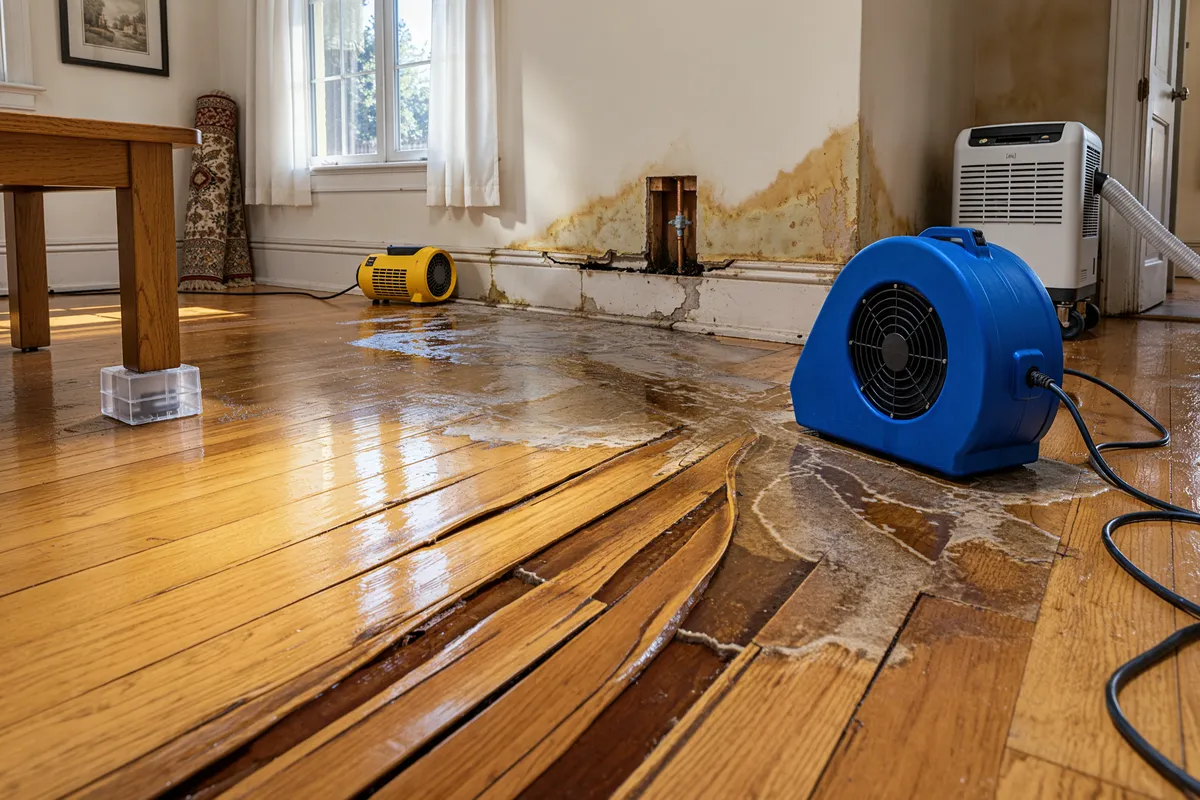
Why leaks cause most Los Angeles mold
With a mostly dry, mild climate, mold in Los Angeles usually has a plumbing or roof story behind it. Typical sources are a slab leak under tile or wood flooring, a supply line or water heater that failed inside a closet, a roof that leaked during winter rain, an upstairs bathroom or washing machine overflow, and water used to fight a fire that soaked walls and ceilings. The wet part is often hidden inside a wall cavity, under a floor or above a ceiling.
The first two days
- Stop the source: shut off the water at the valve or the main.
- Report it to your insurance agent right away. The California Department of Insurance says mold from a covered peril may be covered and to report water damage promptly.
- Take photos before anything is removed.
- Start drying with open windows, fans and dehumidifiers, and remove soaked rugs and padding.
EPA says fixing plumbing leaks and drying items completely is the way to prevent growth.
What a mold company does after water damage
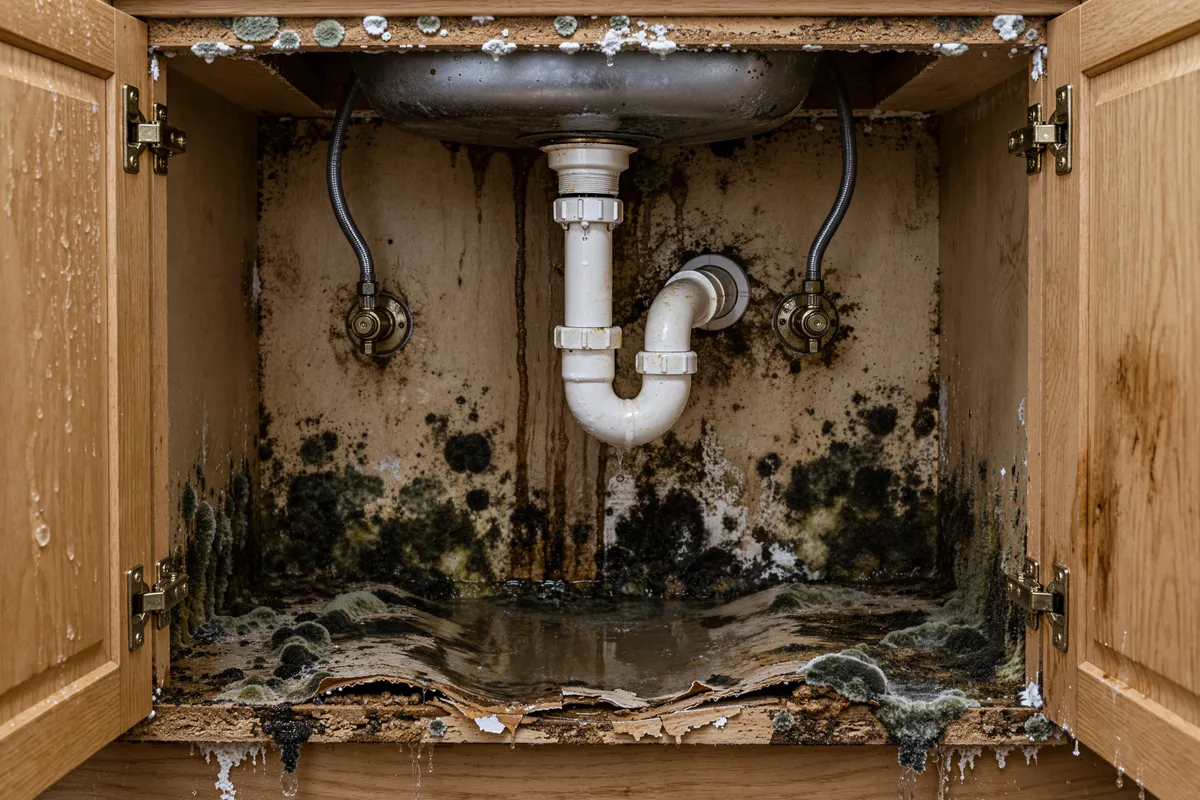
A local company checks which materials are still wet using a moisture meter, removes what cannot dry, such as soaked drywall, insulation and padding, and treats visible mold with containment. Some companies handle both drying and mold work, while others only do one, so ask what is included. Plumbers or roofers fix the cause, and a general contractor rebuilds.
What it costs
Cost depends on how much was wet. National guides show mold in drywall ranging from about $1,000 for surface mold to as much as $20,000 for full removal. A Los Angeles guide gives general remediation at about $14 to $27 per square foot. Those are published estimates and not quotes, and water mitigation, repairs and rebuilding are often separate line items.
Permits and the license check
If walls, ceilings or plumbing are rebuilt, LADBS says repair and remodeling work on a home needs a permit and inspections, so ask it before you start. California has no state mold license, per CDPH, but a contractor on any job of $1,000 or more must hold a CSLB license; check it on the CSLB site.
If you rent
A leak that goes unrepaired can lead to visible mold, which Health and Safety Code 17920.3 lists as a substandard condition, apart from minor mold on surfaces that normally get wet. Tell your landlord in writing and keep copies and photos. In the City of Los Angeles, the Los Angeles Housing Department takes complaints when repairs are not made in a timely manner.
Leak & Water Damage Mold Removal questions from Los Angeles homeowners
How fast does mold grow after a leak?
Do I need mold removal or just drying?
Is it covered by insurance?
What about water from a neighbor's unit?
Related mold services in Los Angeles
Helpful guides
Leak & Water Damage Mold Removal in nearby cities and towns
Los Angeles County
Orange County
Ventura County
Sources
- EPA: A brief guide to mold, moisture and your home
- EPA: Mold cleanup in your home
- California Department of Insurance: residential property claims guide
- Mold Remediation and Removal: What to Know and How Much You'll Pay
- Mold Remediation Cost in Los Angeles, California
- LADBS: homeowner's guide to permits and inspections
Last updated: