Water damage does not always show; insulation and subfloor can stay wet for weeks, so a company takes moisture readings first. Call the number on this page to be connected with a local mold company in Lakewood.
What Not to Do
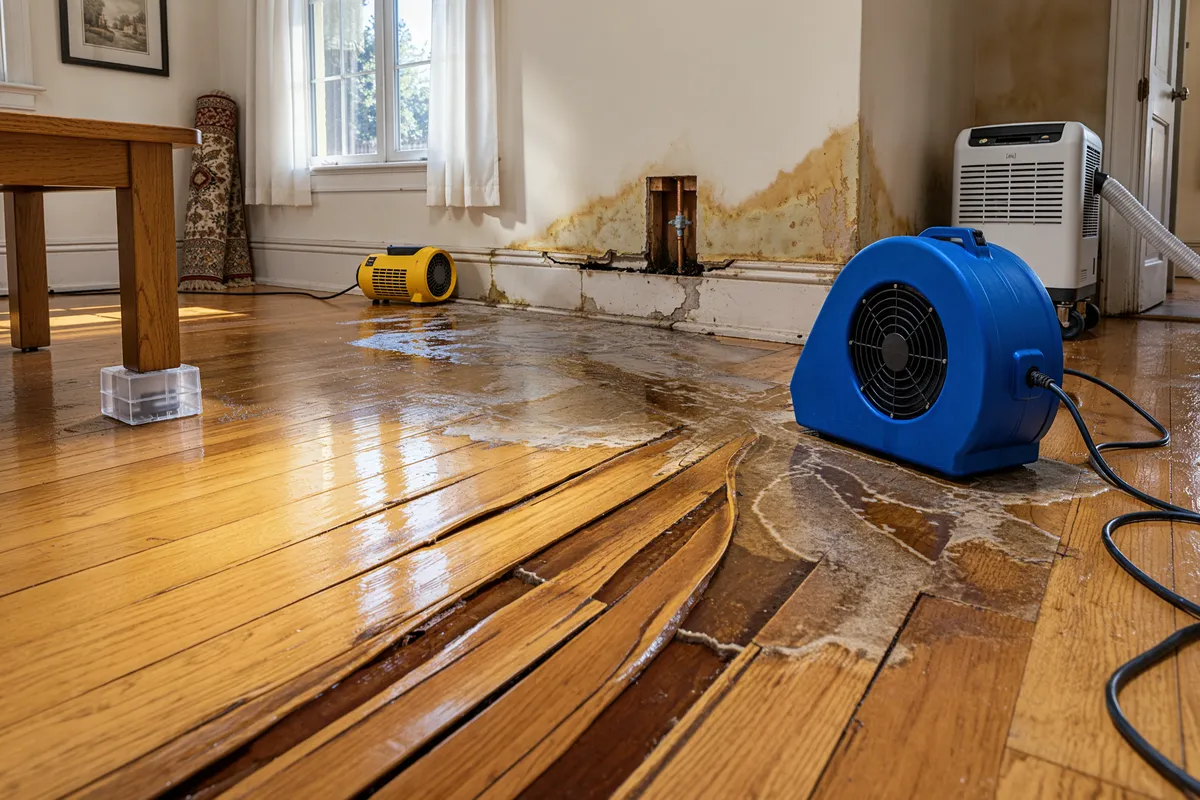
Avoid heating a wet wall with space heaters alone, sealing damp areas with paint or new flooring, or running the AC through a damp section of the house. Those steps can spread moisture or lock it in. Drying works best when someone measures it. Rushing to rebuild before drying is finished is the most common mistake.
Slab Leaks
Many Southern California homes sit on concrete slabs with water lines beneath. A leak in one can warm the floor, raise the water bill or leave a damp patch under flooring. By the time it is noticed, subfloor, baseboards and carpet may have been wet for weeks. A hot patch on the slab is another clue, and so is a water meter that keeps spinning with everything off.
Who handles what in Lakewood
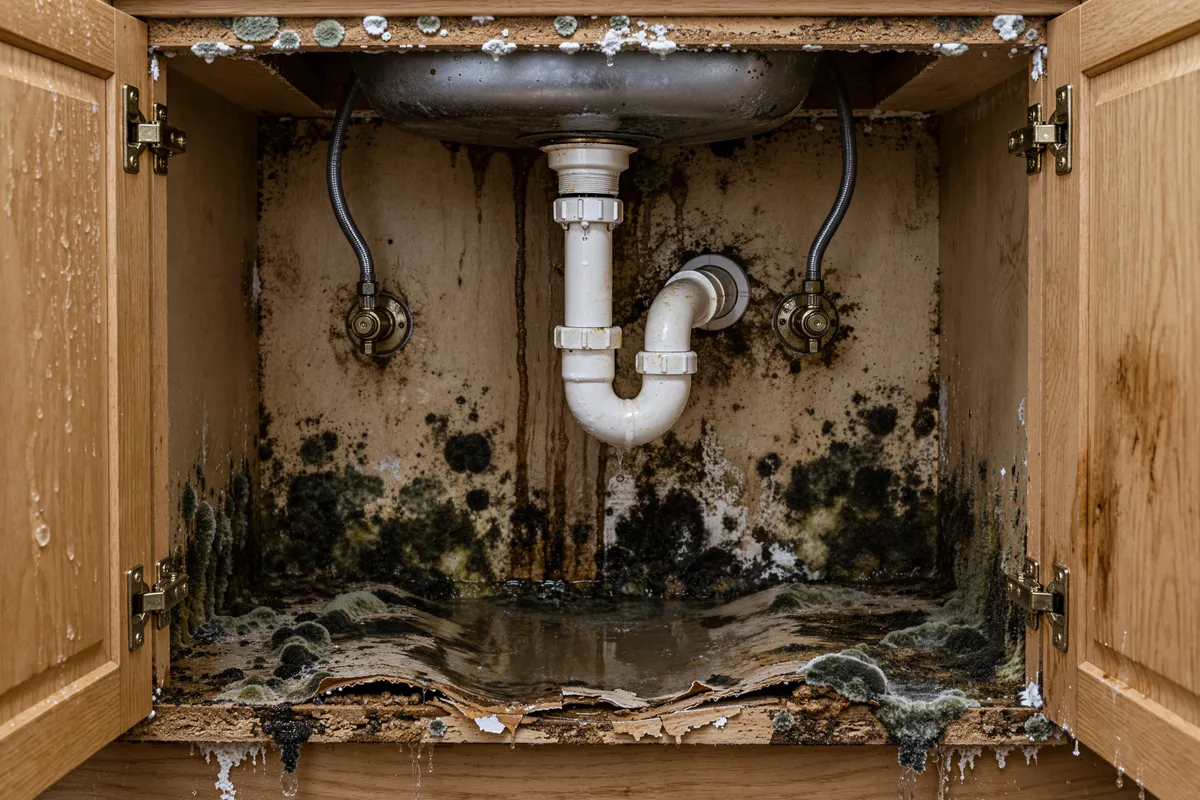
Mold work in California falls under general contractor rules rather than a dedicated mold credential. Once labor and materials reach $1,000, the company needs a CSLB license, and the board's website shows whether it is current.
If the job grows into replacing drywall, cabinets or framing, ask whether the rebuild needs a permit from the local building department.
Tenants in much of the county report mold and leaks in rentals to the Los Angeles County Department of Public Health; check with the city whether that covers your Lakewood address.
Calls from Lakewood are often matched with companies that also cover Artesia, Bellflower and Hawaiian Gardens.
What Drives the Cost
The size of the wet area, how long it stayed wet, the materials involved and how much needs to come out all shape the price. A caught-early leak may need only drying, while a long-hidden leak can mean removing drywall, insulation and flooring and then rebuilding. Cost swings with the answers to the questions above, not with the label on the job.
Drying the Structure
Air movers push air across wet surfaces, dehumidifiers pull moisture out and, where needed, small holes are cut to dry wall cavities. Readings are taken daily until they match dry reference points. Equipment noise and warmth are normal during this stage. Ask how many days of drying equipment the plan assumes.
Routine Checks That Catch Leaks
- Look under sinks and around toilets monthly.
- Watch the water meter with every fixture off.
- Check ceilings after storms.
- Inspect the water heater base and pan.
- Read bills for creeping increases.
Leak & Water Damage Mold Removal questions in Lakewood
How do I know if mold is behind a wall after a leak?
Is mold after a roof leak different?
How do I vet a company without a state mold license?
Does coastal fog slow drying?
More mold services in Lakewood
Leak & Water Damage Mold Removal nearby
Helpful guides
Sources
Last updated: