An inspection looks at the building, while testing collects samples, and CDPH does not generally recommend sampling for mold. Call the number on this page to be connected with a local mold company in Lakewood.
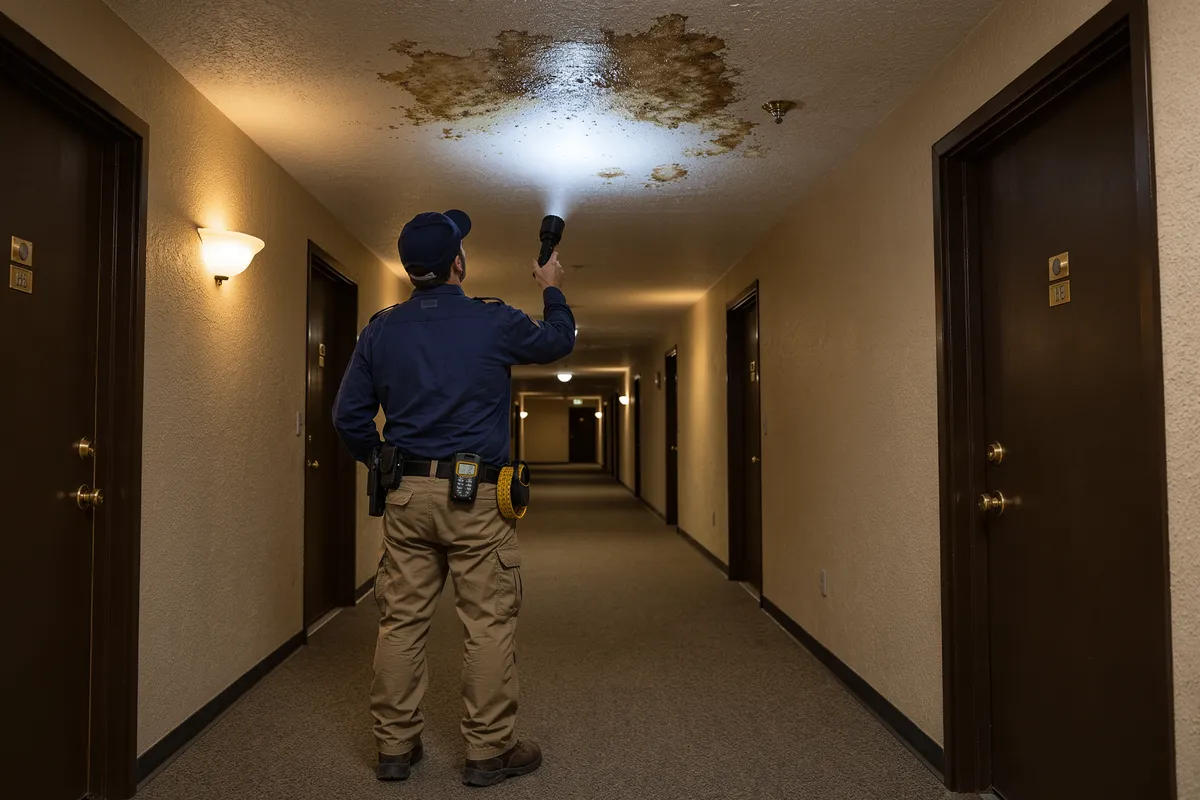
You smell it but cannot see it
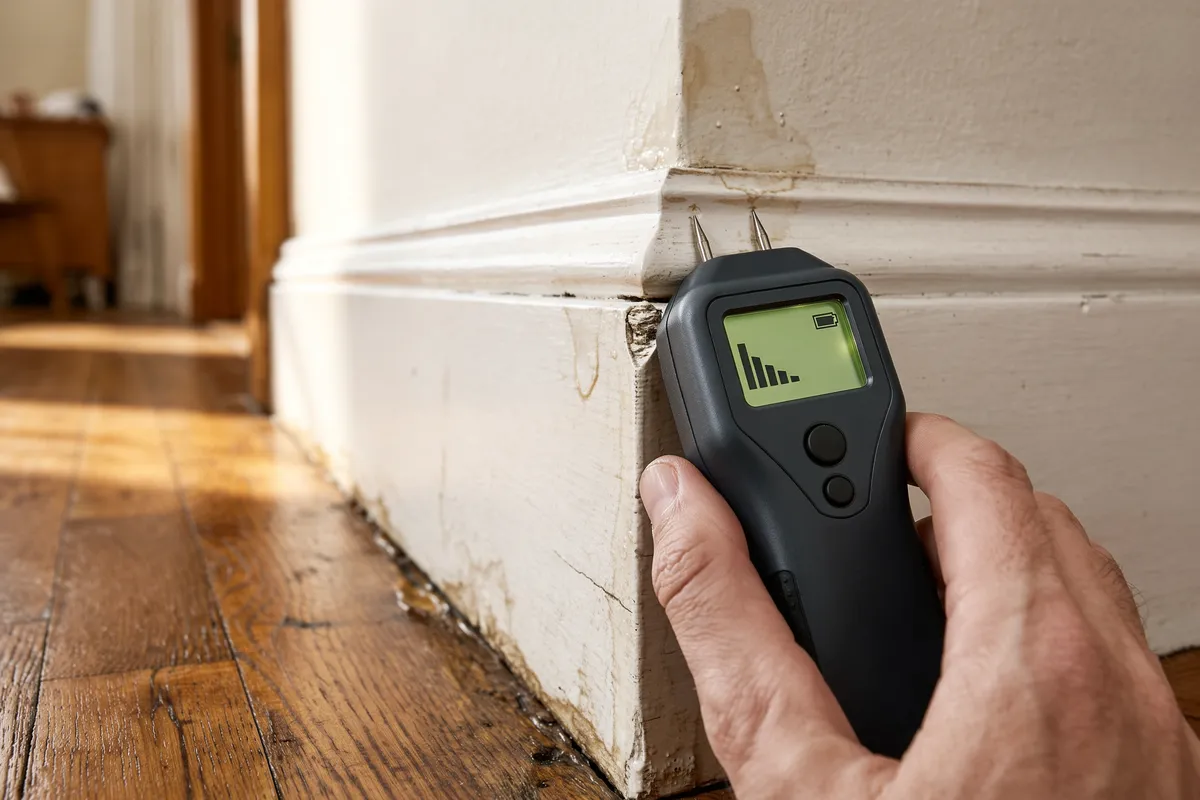
A damp odor in a closet, hallway or under a sink often points to moisture trapped behind a surface. An inspector uses meters and a thermal camera to find the wet area without opening everything. That can save a lot of unnecessary demolition. Smell alone cannot say how much material is affected, which is why readings matter.
What you should have ready
Gather plumbing repair receipts, photos of past stains, any earlier inspection or insurance reports, and notes on when the smell is strongest. Clear access to closets, the attic hatch and the crawl space door lets the visit go faster.
Permits, rentals and contractor checks in Lakewood
California has no separate state license for mold assessors or mold remediators, so the useful check is the contractor license: the Contractors State License Board (CSLB) requires one for jobs of $1,000 or more in labor and materials, and its online lookup shows the status.
Rebuild work after the mold comes out, such as new drywall or framing, may need a permit; the local building department is the office for Lakewood addresses.
In many Los Angeles County cities, rental mold complaints go to the Los Angeles County Department of Public Health. Your city hall can tell you whether that applies in Lakewood.
Calls from Lakewood are often matched with companies that also cover Artesia, Bellflower and Hawaiian Gardens.
Independence has value
An inspector who does not also sell removal has no reason to recommend more work than needed. Ask whether the company only inspects or also performs cleanup, and how it handles that possible conflict of interest when writing the scope. A written statement of the company's business relationships is easy to request.
A report is a snapshot
It describes conditions on the day of the visit. Rain, plumbing repairs or a changing season may alter moisture levels. If a long time passes before work begins, a quick recheck makes sure the findings still hold. Most reports are written for the date of the visit and say so clearly.
Home habits that keep humidity down
EPA suggests keeping indoor humidity below about 60 percent, and ideally 30 to 50. Use bathroom fans, run range hoods when cooking, open windows when the air outside is dry and avoid drying laundry indoors without ventilation. A simple humidity monitor is easy to find and shows trends over several weeks.
Mold Inspection questions in Lakewood
Should inspector and remediator differ?
Can it tell me if my home is safe?
Who handles mold in a Lakewood rental?
Does humidity matter?
More mold services in Lakewood
Mold Inspection nearby
Helpful guides
Sources
Last updated: