Common local causes are plumbing and slab leaks, water heaters and winter-storm roof leaks; a plumber or roofer fixes the source first. Call the number on this page to be connected with a local mold company in South Pasadena.
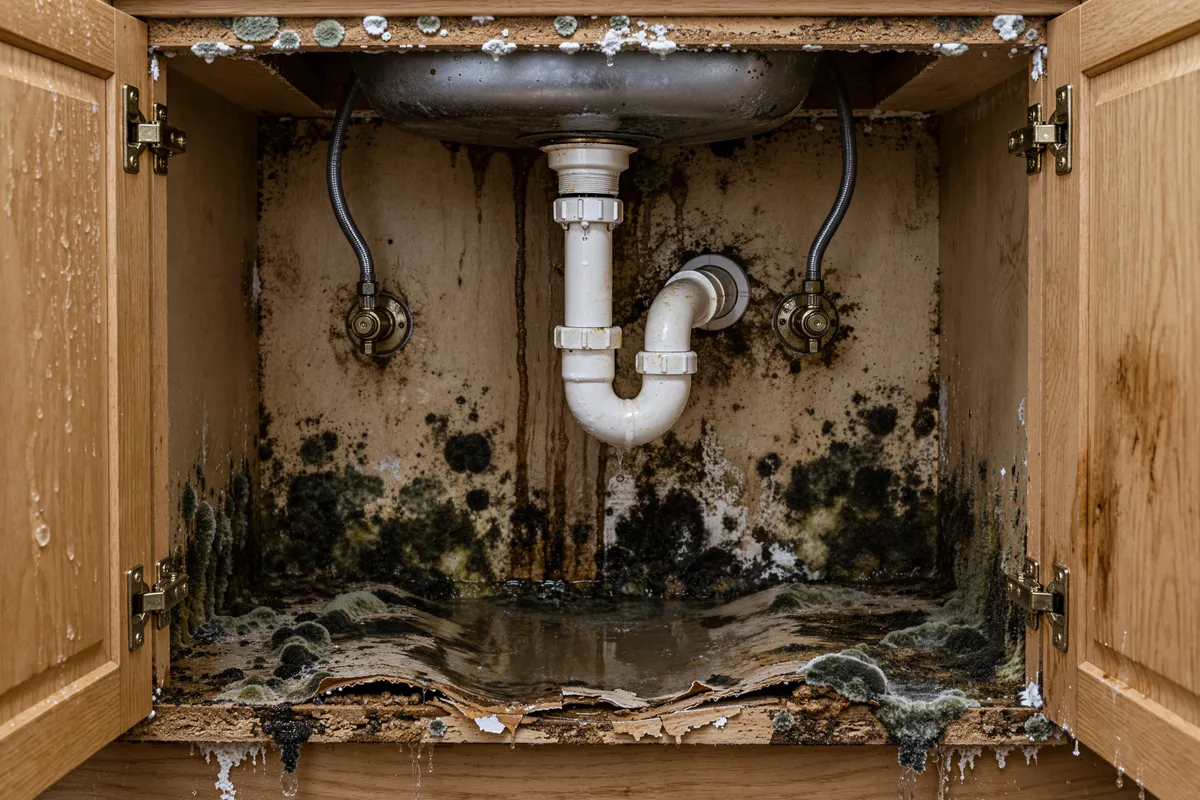
Tackling Water You Cannot See
Water travels. A leak above can wet a ceiling, wick down a wall cavity and soak the subfloor. Check adjoining rooms and closets for cool spots, stains or odor, and have a moisture meter confirm that a dry-looking wall is dry.
Supply Lines and Fixtures
Braided hoses under sinks and toilets, shower valves and old copper fittings can drip steadily for months. Because the water stays inside cabinets and walls, the first clue may be a soft floor or a smell rather than a visible leak. Replace any that look bulged.
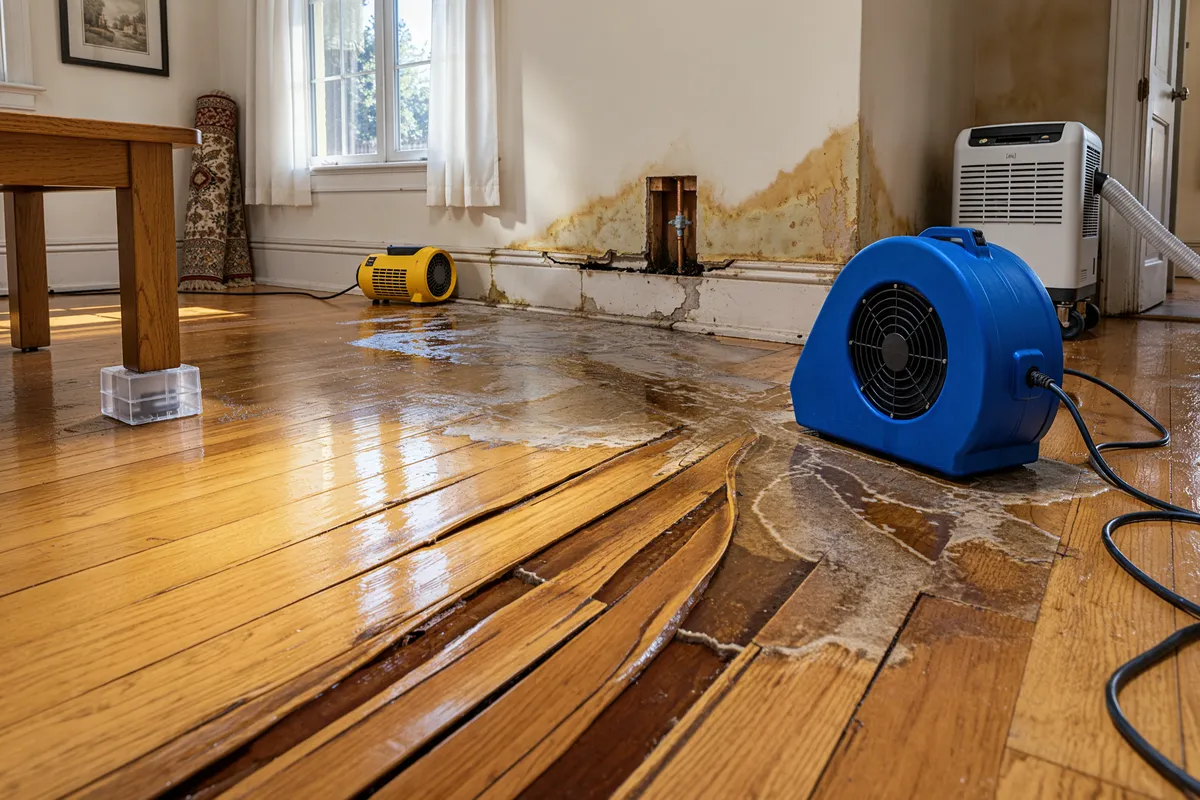
What Drives the Cost
The size of the wet area, how long it stayed wet, the materials involved and how much needs to come out all shape the price. A caught-early leak may need only drying, while a long-hidden leak can mean removing drywall, insulation and flooring and then rebuilding. Cost swings with the answers to the questions above, not with the label on the job.
Before work starts in South Pasadena
Ask any remediation company for its Contractors State License Board number. California has no separate mold license, so the CSLB record is where you confirm a contractor's license for work of $1,000 or more.
The local building department handles building permits here, so that's the place to check before walls, cabinets or flooring go back in.
Tenants in much of the county report mold and leaks in rentals to the Los Angeles County Department of Public Health; check with the city whether that covers your South Pasadena address.
Nearby, the same kind of help is available in Alhambra, San Marino and Pasadena.
Working With a Plumber or Roofer
The mold company handles water-damaged materials, while a plumber, roofer or appliance technician fixes the source. Coordinating them matters: repairing the leak before drying avoids re-wetting, and drying before rebuilding avoids sealing in moisture. Both trades should know about each other's schedule from day one.
Ventilation After Water Events
Keep indoor humidity below about 60 percent, and ideally between 30 and 50 percent, by EPA guidance. After a leak, a dehumidifier and open windows on dry days help. Closing up a damp house traps the moisture mold needs. The point is simply to give moisture a way out of the house.
Leak & Water Damage Mold Removal questions in South Pasadena
How do I know if mold is behind a wall after a leak?
Will insurance pay for mold after a burst pipe?
Can I run fans and dehumidifiers myself?
Is mold after a roof leak different?
More mold services in South Pasadena
Leak & Water Damage Mold Removal nearby
Helpful guides
Sources
Last updated: