Clearance testing is a check done after mold removal to confirm the visible growth is gone and, in some cases, to compare air or surface samples. CDC and CDPH do not recommend routine mold testing, so it is optional and mostly used when parties want a written record. Call the number on this page to be connected with a local mold company in Los Angeles.
What clearance testing is
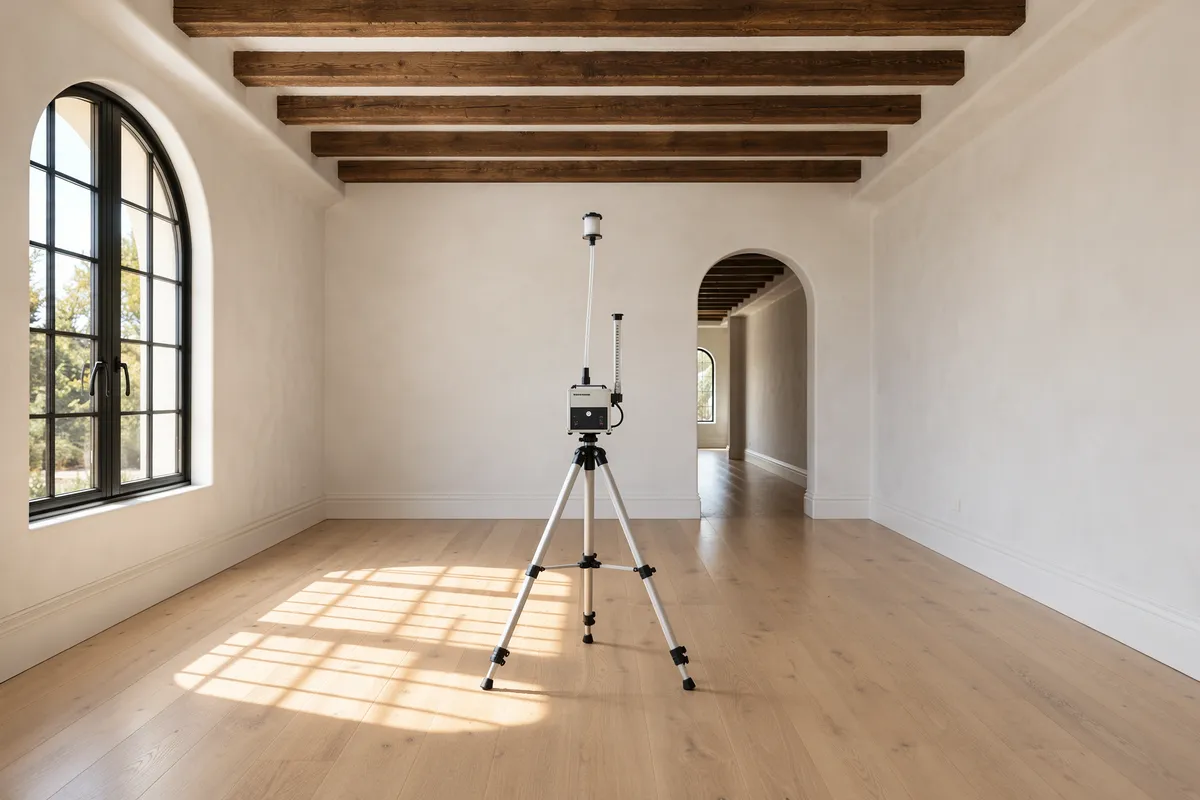
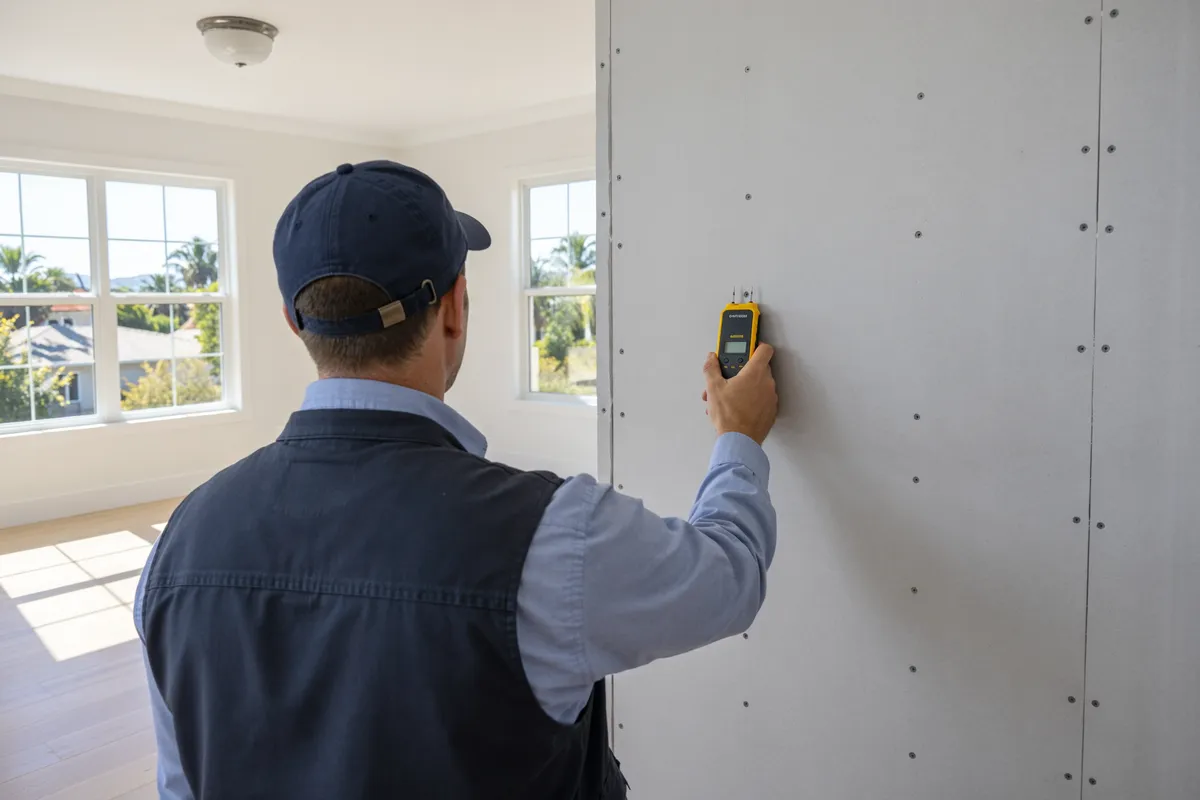
After a remediation, the work area is checked before walls are closed up, contents return or a tenant moves back in. The check usually starts with a visual inspection for remaining growth, dust and debris, plus a moisture reading to confirm materials are dry. Some inspectors also take air samples inside and outside the home, or surface samples, and send them to a lab for comparison.
Is it necessary?
No California rule requires it, as far as the sources here show. CDC says it does not recommend mold testing and that there are no set standards for an acceptable quantity of mold in a home. CDPH says it does not recommend testing for mold and that there are no recommended unhealthy levels for spore concentrations. Both agencies put the weight on fixing the moisture and removing the growth. Clearance testing is therefore a choice you make for documentation, not a legal step.
When people ask for it in Los Angeles
- A landlord, tenant or property manager wants a written result before a unit is re-rented or reoccupied.
- An insurance claim or a dispute over whether the work was done properly.
- A larger job, such as a whole-room or whole-floor remediation, where the owner wants more than the contractor's word.
- A household member with health concerns. Talk with your doctor about those.
Who should do it
The usual advice is to use a party that is separate from the company that did the removal, so the result is not the contractor grading its own work. California has no license for mold assessors, so ask about training, sampling methods and the lab used, and ask what the report will say before you book. Insist that sampling is described in writing and that results come with the lab's own report.
What a pass means
With no state standard, a pass typically means the work area has no visible growth, readings are dry and sample comparisons do not show an indoor problem relative to outdoors. Southern California outdoor air carries its own spores, which is why indoor and outdoor samples are compared and why a single number means little. If you have health concerns, talk with your doctor.
Cost
A national guide puts a residential post-remediation clearance test at roughly $300 to $700 per job. This is not a Los Angeles figure, and the price rises with the number of samples and the size of the home.
Licenses and renters
If the remediation itself was $1,000 or more in labor and materials, the contractor needed a CSLB license, which you can check on the CSLB site. For renters, state law lists visible mold growth as a substandard condition, with an exception for minor mold on surfaces that normally collect moisture. In the City of Los Angeles, the Los Angeles Housing Department takes rental complaints.
Post-Remediation Clearance Testing questions from Los Angeles homeowners
Do I need clearance testing after mold removal?
Can the remediation company do its own clearance test?
What if the clearance test fails?
Does the person who does the testing need a license?
Related mold services in Los Angeles
Helpful guides
Post-Remediation Clearance Testing in nearby cities and towns
Los Angeles County
Orange County
Ventura County
Sources
Last updated: