Most owners schedule clearance before drywall, cabinets or flooring go back, when a missed spot is still easy to reach. Call the number on this page to be connected with a local mold company in Culver City.
If you never had a written plan
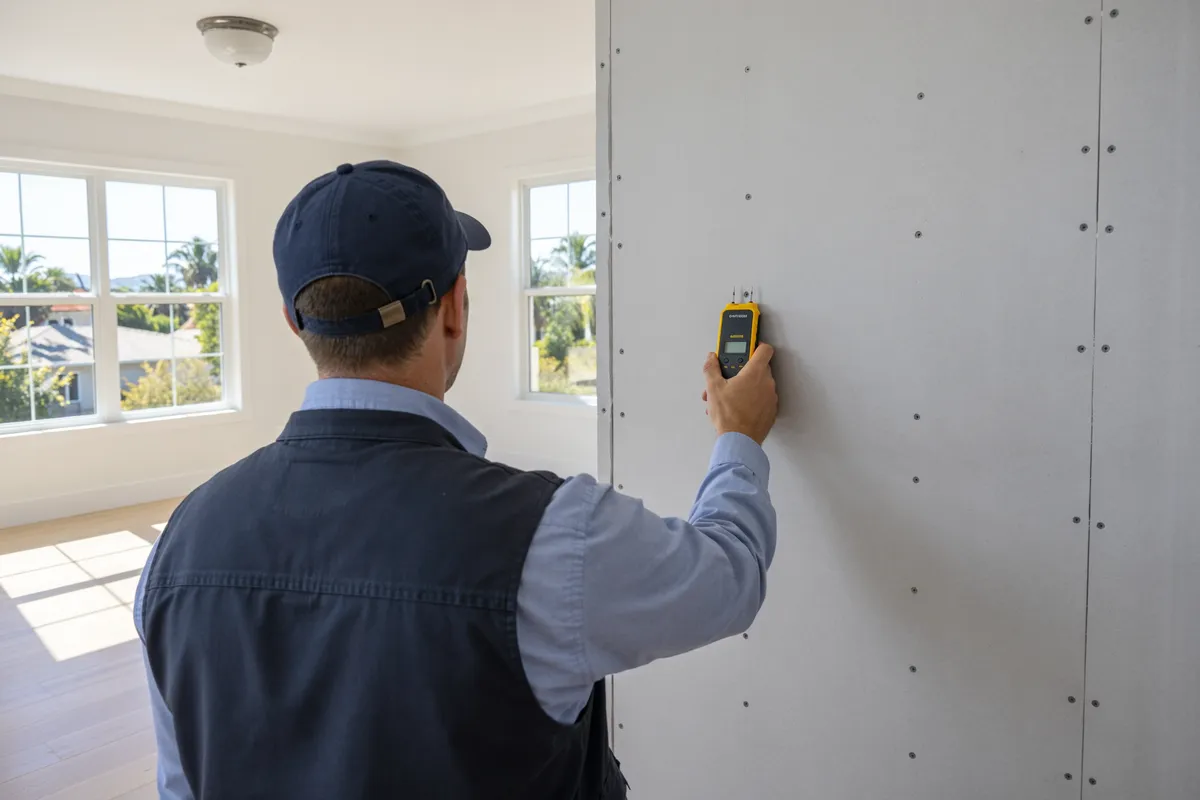
Clearance works best against a written scope. If cleanup was done without one, an assessor can still review the area, but the standard becomes more of a judgment call. Tell the company what was done, and ask how they would evaluate it fairly. Keep photos and receipts of everything that was removed.
What a passing result means
A pass says the assessor found the work area clean, dry and consistent with the plan on the day of the visit. It does not promise mold will never return. If the leak or humidity problem remains, growth can start again, so the repair record matters alongside the report. Ask whether the result is described as pass, fail or something more detailed.
Compare the written scope
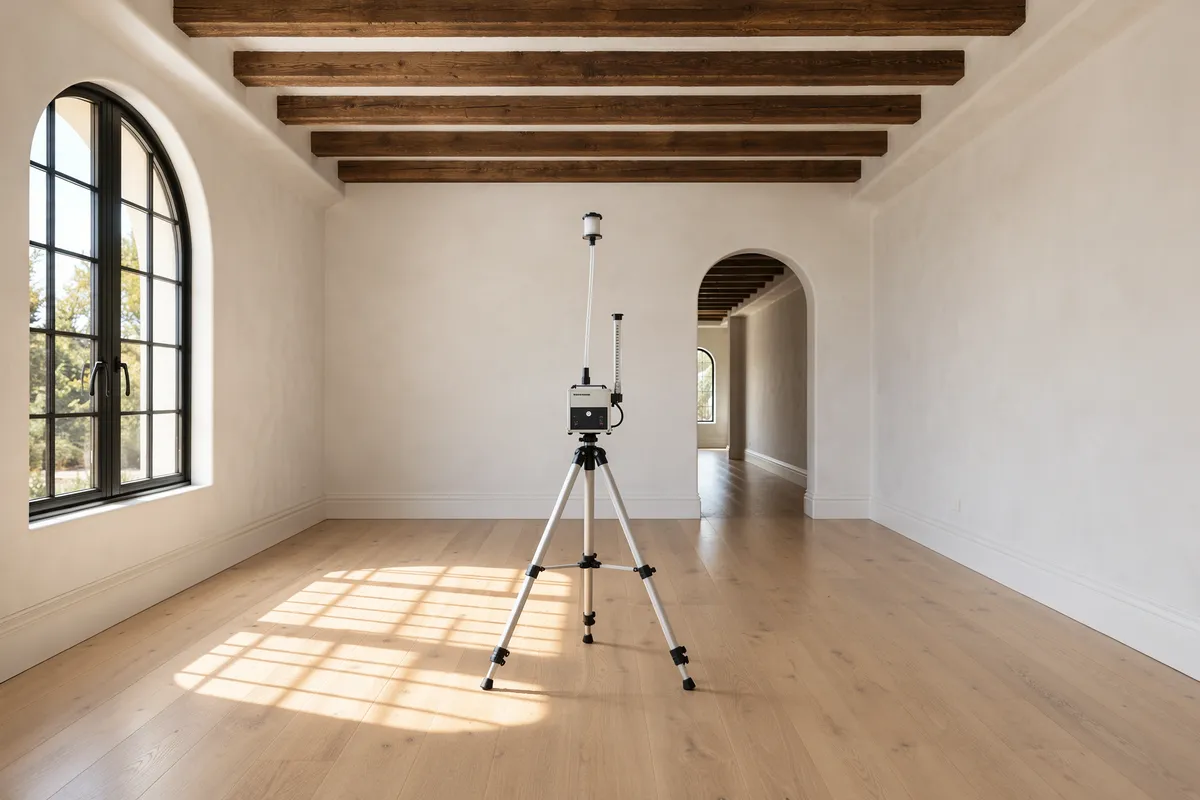
Two clearance quotes can differ because one includes photos, a lab report and a formal write-up while the other is a short visit with a note. Ask each company to list what you will receive, then compare the deliverables rather than only the totals. Ask how soon the report is delivered after the visit.
Who handles what in Culver City
Ask any remediation company for its Contractors State License Board number. California has no separate mold license, so the CSLB record is where you confirm a contractor's license for work of $1,000 or more.
The Culver City Building Safety Division handles building permits here, so that's the place to check before walls, cabinets or flooring go back in.
Tenants in much of the county report mold and leaks in rentals to the Los Angeles County Department of Public Health; check with the city whether that covers your Culver City address.
Calls from Culver City are often matched with companies that also cover Inglewood, Playa Vista and Venice.
Questions to ask the assessor
- What will the pass criteria be?
- Will you take samples, and why?
- How long will the report take?
- What happens if the area does not pass?
Good answers are specific, and a company that welcomes the questions is usually easier to work with. Ask for a sample report with personal details removed.
Keep humidity in check
EPA advises keeping indoor humidity below about 60 percent, ideally between 30 and 50 percent. After a cleanup, a basic hygrometer, working bath fans and a well-maintained AC help keep a repaired area from reverting to damp conditions. Do not remove the barriers until the report arrives.
Post-Remediation Clearance Testing questions in Culver City
Is clearance required in California?
When should clearance happen?
Will my insurer want a report?
Does calling commit me to hiring anyone?
More mold services in Culver City
Post-Remediation Clearance Testing nearby
Helpful guides
Sources
- Culver City Building Safety Division
- Los Angeles County Department of Public Health Environmental Health: housing complaints
- CSLB: What kind of contractor do you need?
- California Health and Safety Code 17920.3
- EPA: A Brief Guide to Mold, Moisture and Your Home
- California Department of Public Health: Mold
Last updated: