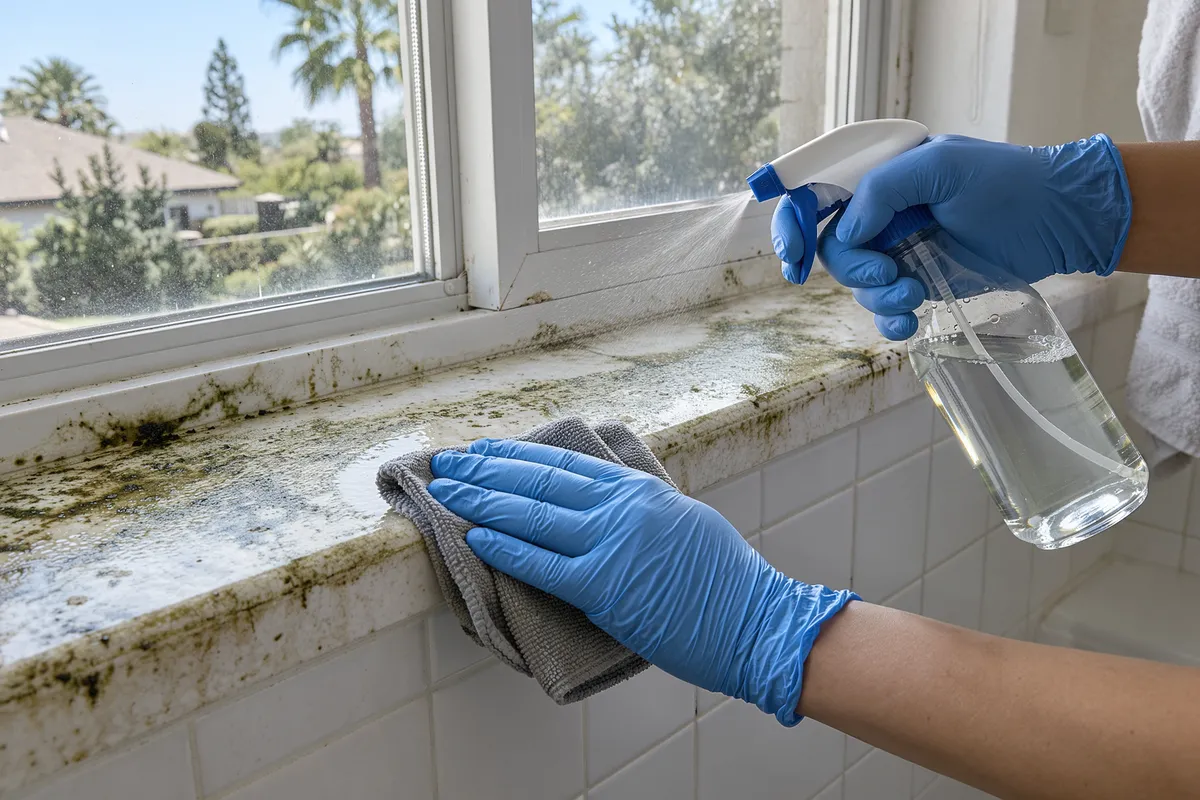
Mold and mildew are both fungal growth, and cleanup depends on the surface and the size. EPA says a homeowner can usually handle an area under about 10 square feet on hard surfaces, after the moisture is fixed. Call the number on this page to be connected with a local mold company in Culver City.
Why porous materials are different
Carpet, ceiling tile, upholstered items and drywall paper absorb moisture, so growth reaches below the surface. EPA notes that porous materials that stay moldy generally have to be removed. Scrubbing may fade the stain but not the growth inside. Wiping the face of the material rarely helps once growth has moved in.
Bathrooms and showers
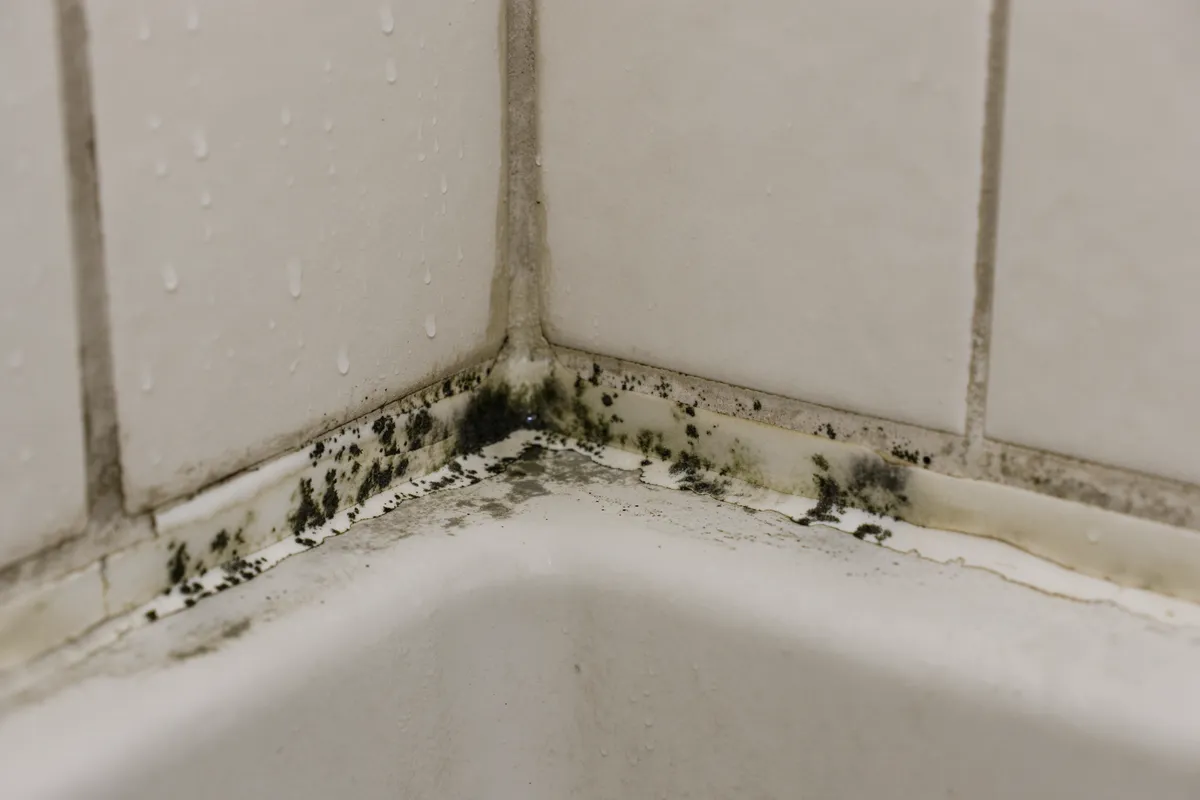
Steam is the biggest driver. Bathrooms with no exhaust fan, a fan that is weak or one that is rarely used trap humidity on ceilings, grout and caulk. Dark spots on the ceiling above the shower and along the tub line are typical. A fan that moves air up a duct to the outside makes the biggest difference.
Insurance questions
Policies treat sudden water events differently from slow seepage or humidity. If the mildew follows a burst pipe, a claim may apply. Photos, dates and the company's written findings are what an adjuster will ask for. Check your own policy, since wording differs from one carrier to another.
Who handles what in Culver City
There is no California mold license to look up. What you can check is the company's CSLB contractor license, which state rules require once a job reaches $1,000 in combined labor and materials.
If the job grows into replacing drywall, cabinets or framing, ask whether the rebuild needs a permit from the Culver City Building Safety Division.
Tenants in much of the county report mold and leaks in rentals to the Los Angeles County Department of Public Health; check with the city whether that covers your Culver City address.
Calls from Culver City are often matched with companies that also cover Inglewood, Playa Vista and Venice.
Fixing the cause
The visit usually includes advice on the source, whether a leak, a fan, a window or poor airflow. A company may handle some fixes and refer others. EPA advises fixing the moisture problem before cleaning, since otherwise the growth returns. Where a fix is needed, get it done before repainting so spots do not reappear.
Control humidity
EPA recommends keeping indoor humidity below about 60 percent, and ideally between 30 and 50. A small hygrometer shows the level, and using the AC, a dehumidifier or a fan can help. Check on damp mornings and in closed rooms. Check it after rain and during damp mornings to see how the room behaves.
Mold & Mildew Cleanup questions in Culver City
Why does mildew keep coming back in my bathroom?
Does mildew on drywall mean I need removal?
Do I need a mold test before cleanup?
Does a mold company need a state license?
More mold services in Culver City
Mold & Mildew Cleanup nearby
Helpful guides
Sources
- Culver City Building Safety Division
- Los Angeles County Department of Public Health Environmental Health: housing complaints
- CSLB: What kind of contractor do you need?
- California Health and Safety Code 17920.3
- EPA: A Brief Guide to Mold, Moisture and Your Home
- California Department of Public Health: Mold
Last updated: