Inspectors use a moisture meter, thermal camera and sometimes a borescope to see inside walls, then write up the findings. Call the number on this page to be connected with a local mold company in Culver City.
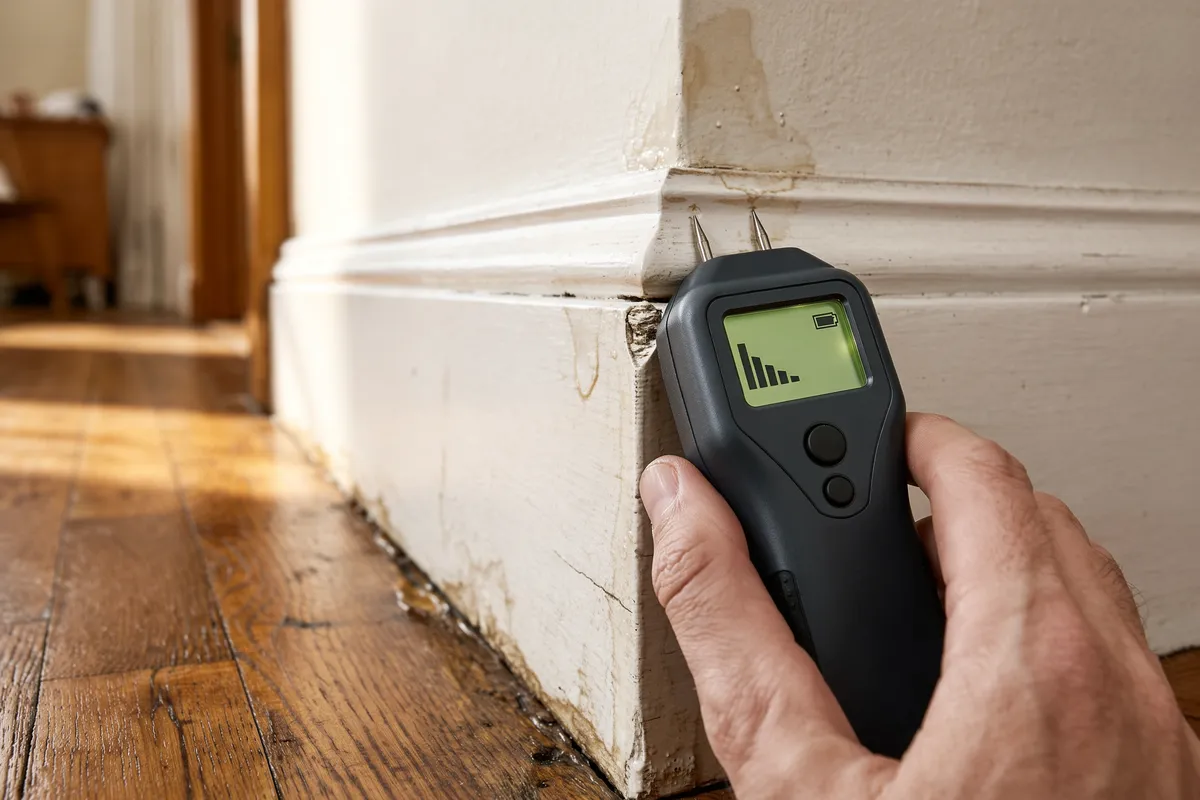
Reasons people book an inspection
- A musty odor with nothing visible
- A ceiling stain after rain or a plumbing repair
- Peeling paint or bubbling drywall
- A pending sale, purchase or lease
In each case, the question is whether moisture is still active. Writing down the timeline of when each sign appeared helps the inspector narrow the likely source quickly.
Attics, crawl spaces and mechanical rooms
Hidden spaces usually hold the clues. The inspector looks at roof decking, insulation, ducts, air handlers, water heaters and raised-foundation framing. These are the places where condensation, slow drips and poor ventilation tend to build up unnoticed. Notes on air flow and humidity in each space are usually included.
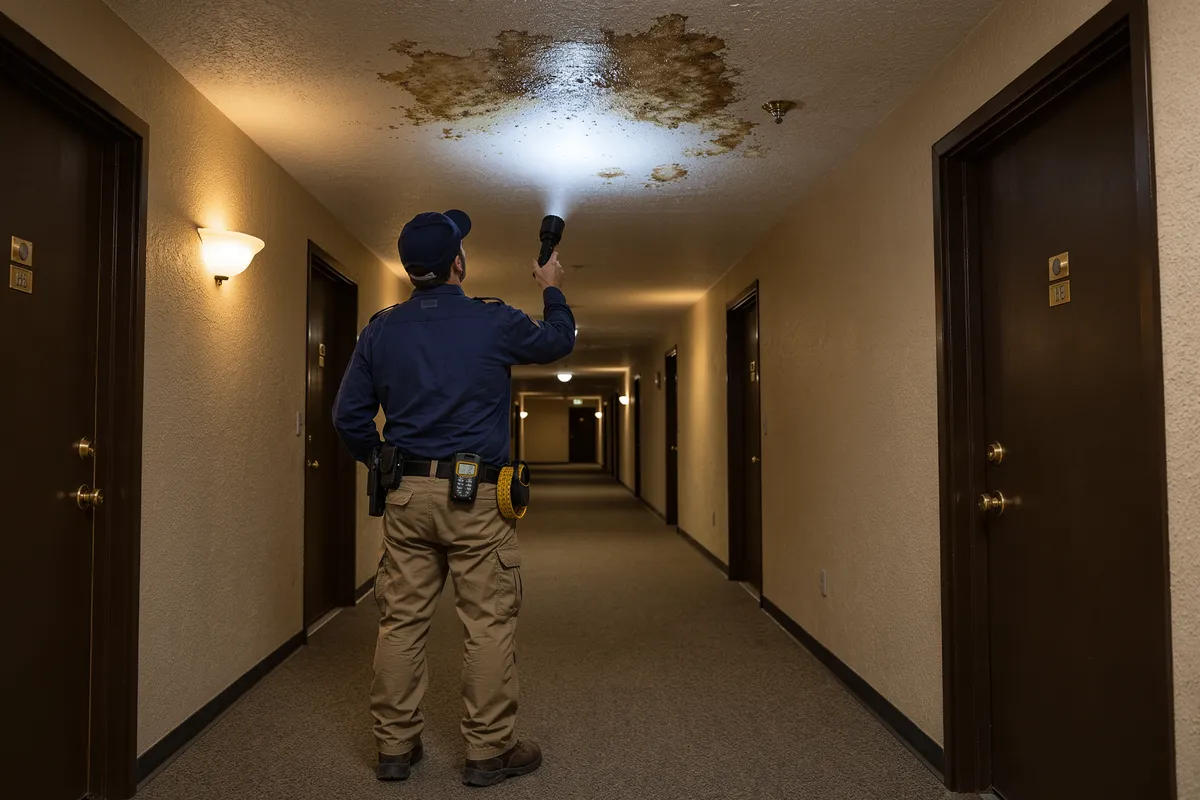
Sampling is an add-on, not the default
The California Department of Public Health does not recommend routine mold testing, and there are no recommended levels to compare results against. If a company adds lab work to the quote, ask what question it will answer and who will use the result. Many owners find they get what they need from the inspection alone.
Permits, rentals and contractor checks in Culver City
A quick CSLB license lookup is worth doing before you sign: California has no mold-specific license, but contract work of $1,000 or more needs a state contractor license.
The Culver City Building Safety Division handles building permits here, so that's the place to check before walls, cabinets or flooring go back in.
In many Los Angeles County cities, rental mold complaints go to the Los Angeles County Department of Public Health. Your city hall can tell you whether that applies in Culver City.
Calls from Culver City are often matched with companies that also cover Inglewood, Playa Vista and Venice.
Reading the recommendations
Good reports separate urgent items from watch-and-wait ones. Look for a plain list of what to fix, what to remove and what to monitor, rather than long general paragraphs that do not tell you what to do next. If the report mixes the two together, ask the company to separate them.
Home habits that keep humidity down
EPA suggests keeping indoor humidity below about 60 percent, and ideally 30 to 50. Use bathroom fans, run range hoods when cooking, open windows when the air outside is dry and avoid drying laundry indoors without ventilation. A simple humidity monitor is easy to find and shows trends over several weeks.
Mold Inspection questions in Culver City
How long does an inspection take?
Do I need one if I can see mold?
Should inspector and remediator differ?
What if no mold is found?
More mold services in Culver City
Mold Inspection nearby
Helpful guides
Sources
- Culver City Building Safety Division
- Los Angeles County Department of Public Health Environmental Health: housing complaints
- CSLB: What kind of contractor do you need?
- California Health and Safety Code 17920.3
- EPA: A Brief Guide to Mold, Moisture and Your Home
- California Department of Public Health: Mold
Last updated: