After a pipe burst or sprinkler discharge, shut off the water and start drying; porous materials that stay wet and moldy generally come out. Call the number on this page to be connected with a local mold company in Culver City.
What Not to Do
Avoid heating a wet wall with space heaters alone, sealing damp areas with paint or new flooring, or running the AC through a damp section of the house. Those steps can spread moisture or lock it in. Drying works best when someone measures it. Rushing to rebuild before drying is finished is the most common mistake.
Supply Lines and Fixtures
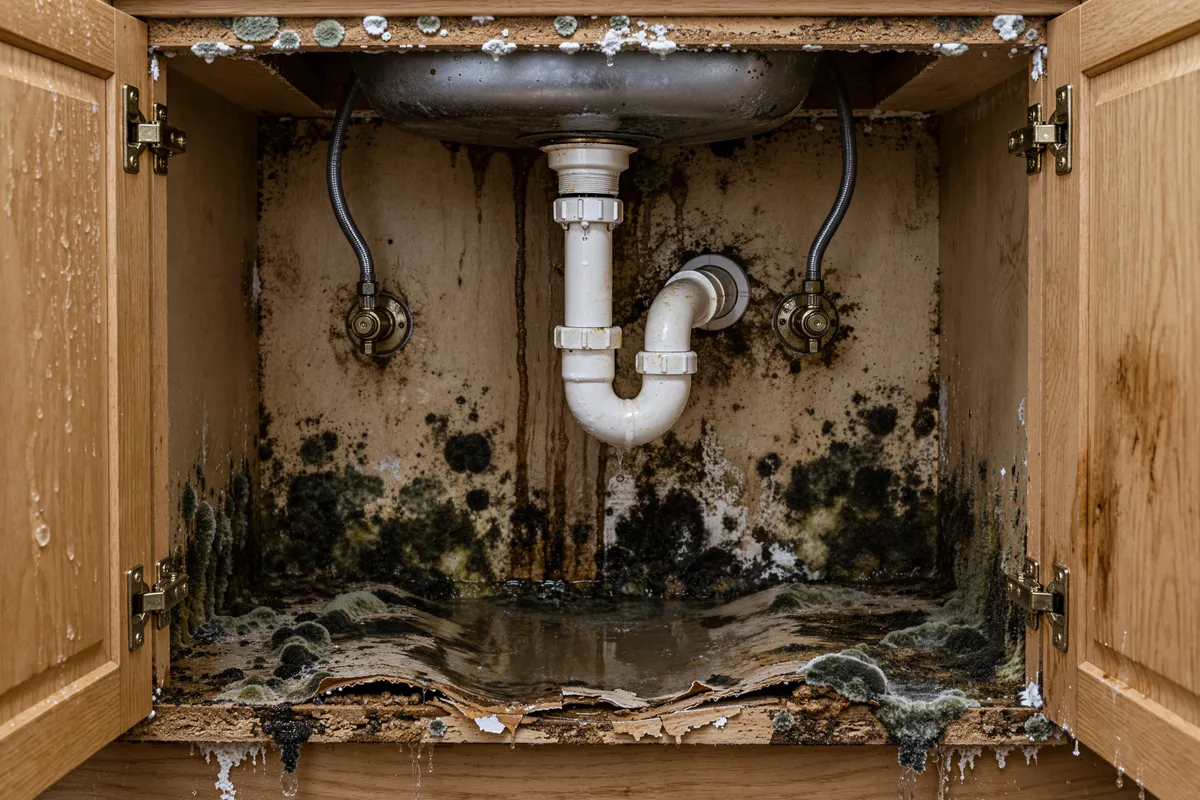
Braided hoses under sinks and toilets, shower valves and old copper fittings can drip steadily for months. Because the water stays inside cabinets and walls, the first clue may be a soft floor or a smell rather than a visible leak. Replace any that look bulged.
Why an In-Person Look Matters
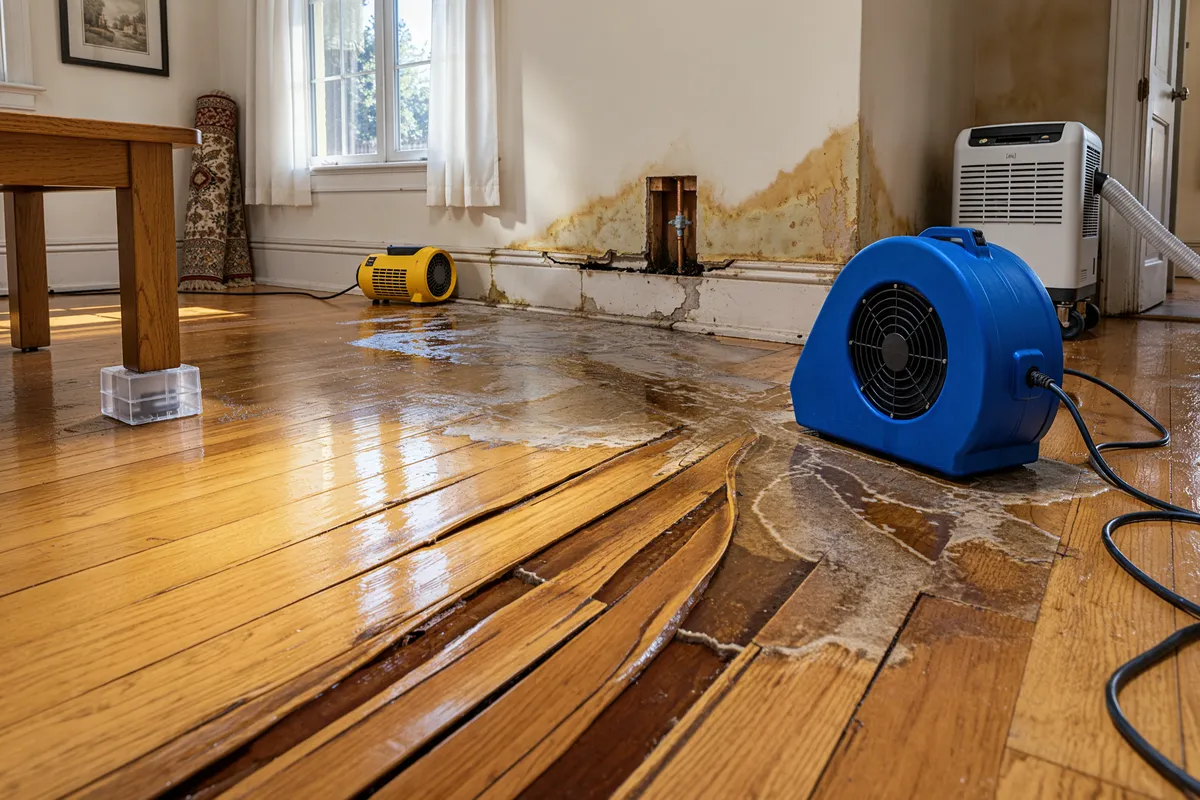
Photos rarely show how far water traveled. A person with a moisture meter and thermal camera can map the wet area, and the difference between an estimate by phone and a measured plan can be significant when a leak was larger than it looked. A measured plan also makes insurance paperwork easier.
Who handles what in Culver City
Ask any remediation company for its Contractors State License Board number. California has no separate mold license, so the CSLB record is where you confirm a contractor's license for work of $1,000 or more.
The Culver City Building Safety Division handles building permits here, so that's the place to check before walls, cabinets or flooring go back in.
Tenants in much of the county report mold and leaks in rentals to the Los Angeles County Department of Public Health; check with the city whether that covers your Culver City address.
Calls from Culver City are often matched with companies that also cover Inglewood, Playa Vista and Venice.
What Gets Thrown Out
Items near the leak are sorted by material. Hard goods can often be cleaned, while soaked upholstery, rugs, ceiling tile and particleboard may need to go. Companies often photograph and list discarded items, which can help with an insurance claim. Ask for a list of items removed, with photos, before disposal.
Know Your Home's Weak Spots
Every house has them: a bathroom with no fan, a skylight, a stucco crack, a flat roof section. Keep a short list and check those spots after storms and heavy irrigation. That habit catches most leaks before they become mold jobs.
Leak & Water Damage Mold Removal questions in Culver City
Is mold after a roof leak different?
Is firefighting water a mold risk?
Does coastal fog slow drying?
Are older homes more prone to hidden leaks?
More mold services in Culver City
Leak & Water Damage Mold Removal nearby
Helpful guides
Sources
- Culver City Building Safety Division
- Los Angeles County Department of Public Health Environmental Health: housing complaints
- CSLB: What kind of contractor do you need?
- California Health and Safety Code 17920.3
- EPA: A Brief Guide to Mold, Moisture and Your Home
- California Department of Public Health: Mold
Last updated: