This page is a referral service, not a mold company; each independent company near Glendora explains its own scope and pricing. Call the number on this page to be connected with a local mold company in Glendora.
Schools, churches and clinics
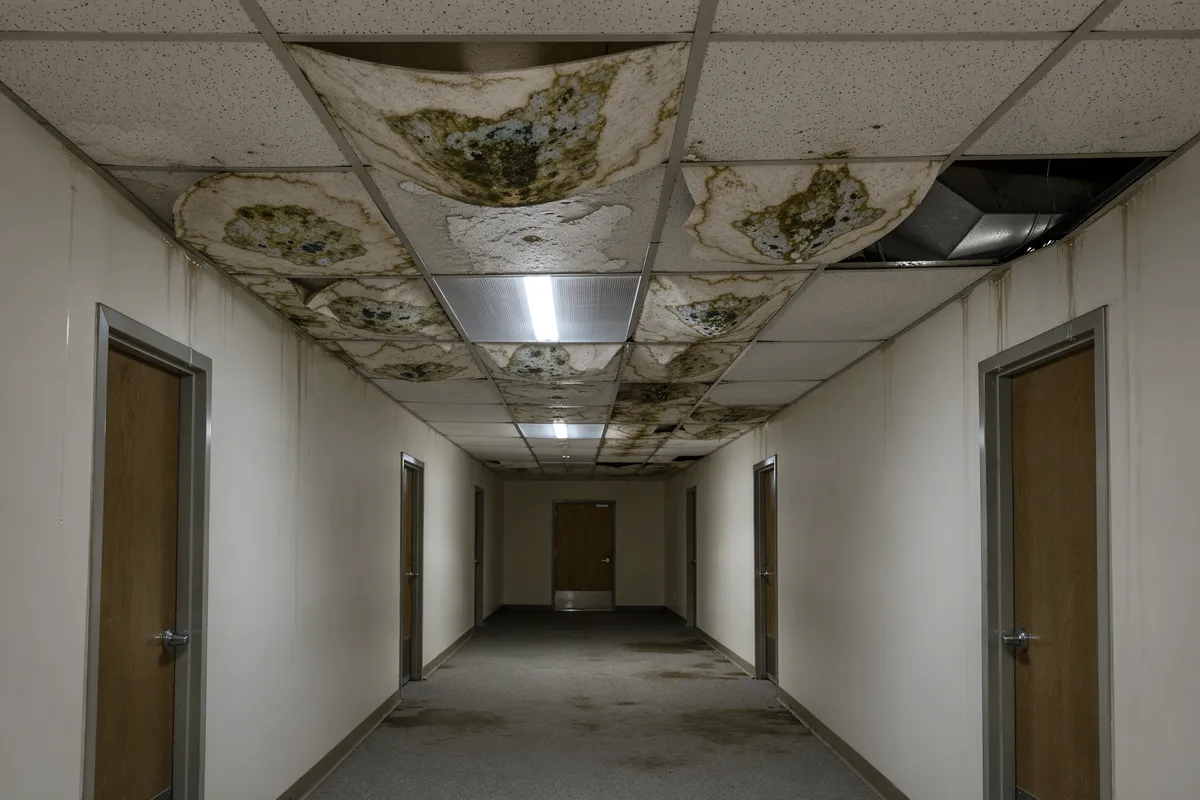
Buildings that are empty part of the week, such as classrooms, sanctuaries and exam rooms, can get stale and damp when air handling is reduced. If you see staining, swollen trim or smell mustiness in these spaces, check for leaks first and plan any cleanup around the calendar. Ask the person who opens the building which rooms smell worst first.
Winter storms and clogged drains
Dry months let leaves, dust and debris build up on roofs and in site drains. When heavy rain finally arrives, water backs up under flashing and around hatches. Buildings in this part of Los Angeles County often discover their leaks all at once after the first big storm. Maintenance logs showing earlier storm leaks help the company look in the right places.
On sloped lots in this part of Los Angeles County, water collects at the downhill side of a building. Check drains, planter boxes and wall bases after heavy rain.
Local details for Glendora
Because California doesn't certify mold remediators as such, ask for the company's Contractors State License Board number and look it up on the CSLB site before anyone opens a wall.
If the job grows into replacing drywall, cabinets or framing, ask whether the rebuild needs a permit from the local building department.
Renting? The Los Angeles County Department of Public Health takes housing complaints, including mold, in cities that have adopted the County Health Code; the city can confirm who handles Glendora addresses.
Calls from Glendora are often matched with companies that also cover Covina, San Dimas and Duarte.
What shapes the price of a commercial job
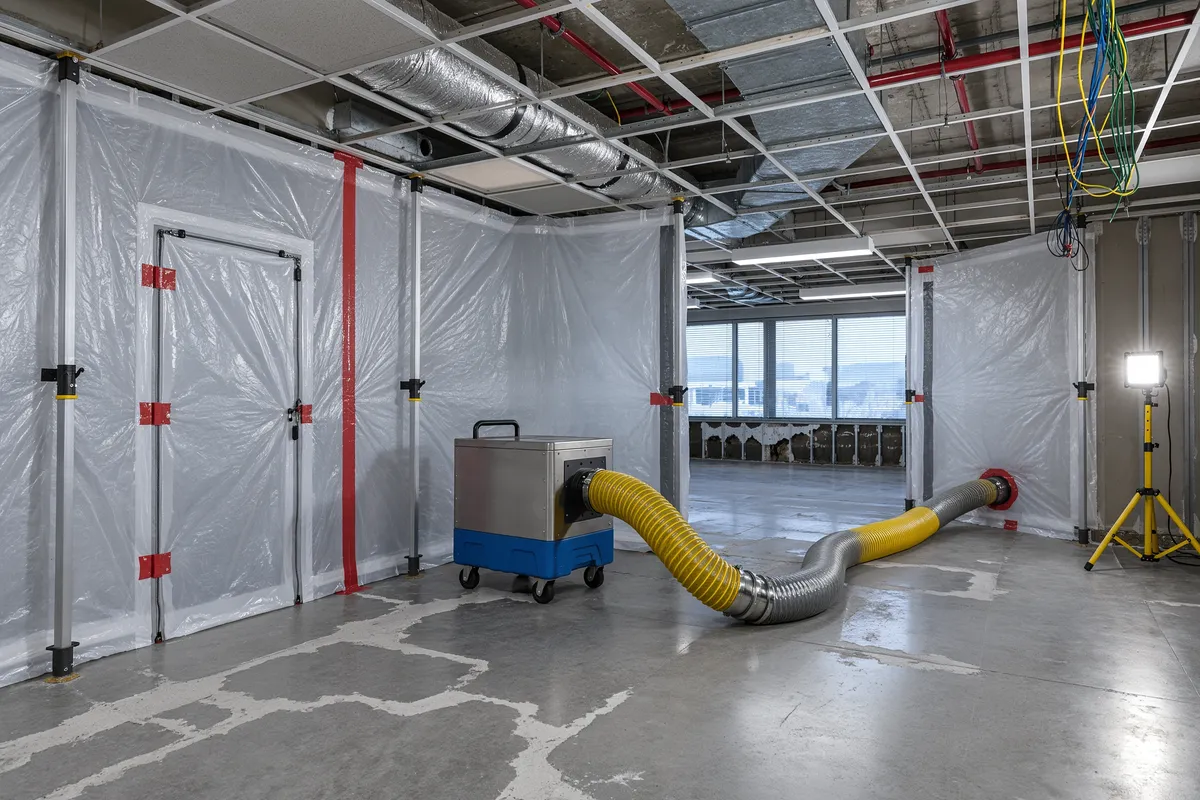
Square footage is only part of it. The type of material, how many rooms are involved, the need for containment, the schedule and the amount of disposal all move the number. Two buildings with the same stain can end up with very different scopes. Ask each company to show its assumptions. Request line items instead of a single lump total.
Working with the property manager
One point of contact keeps things moving. Decide who approves changes, who gives access to ceilings and rooftops and who talks to tenants. Without that, small decisions pile up and the schedule slips. The company will usually propose a routine for updates once the work begins. Agree on how change orders are approved so surprises stay small.
If water is still coming in
Stop the source if it is safe to do so, move stock and equipment away from wet areas and start drying. EPA advises drying wet materials within 24 to 48 hours. Once that window passes, growth becomes more likely, so call a company and mention exactly when the water event began. Photograph everything before moving stock so insurers see the original condition.
Commercial Mold Remediation questions in Glendora
Should we test the air in our building?
How fast must a wet area be dried?
Will insurance cover commercial mold?
Does bleach work for cleanup?
More mold services in Glendora
Commercial Mold Remediation nearby
Helpful guides
Sources
Last updated: