Raised-foundation homes in Southern California often have crawl spaces that stay damp near leaking pipes, poor drainage or covered vents. A local company checks the subfloor, joists, insulation and soil before deciding what to clean and what to replace. Call the number on this page to be connected with a local mold company in Glendora.
Odor first, mold second
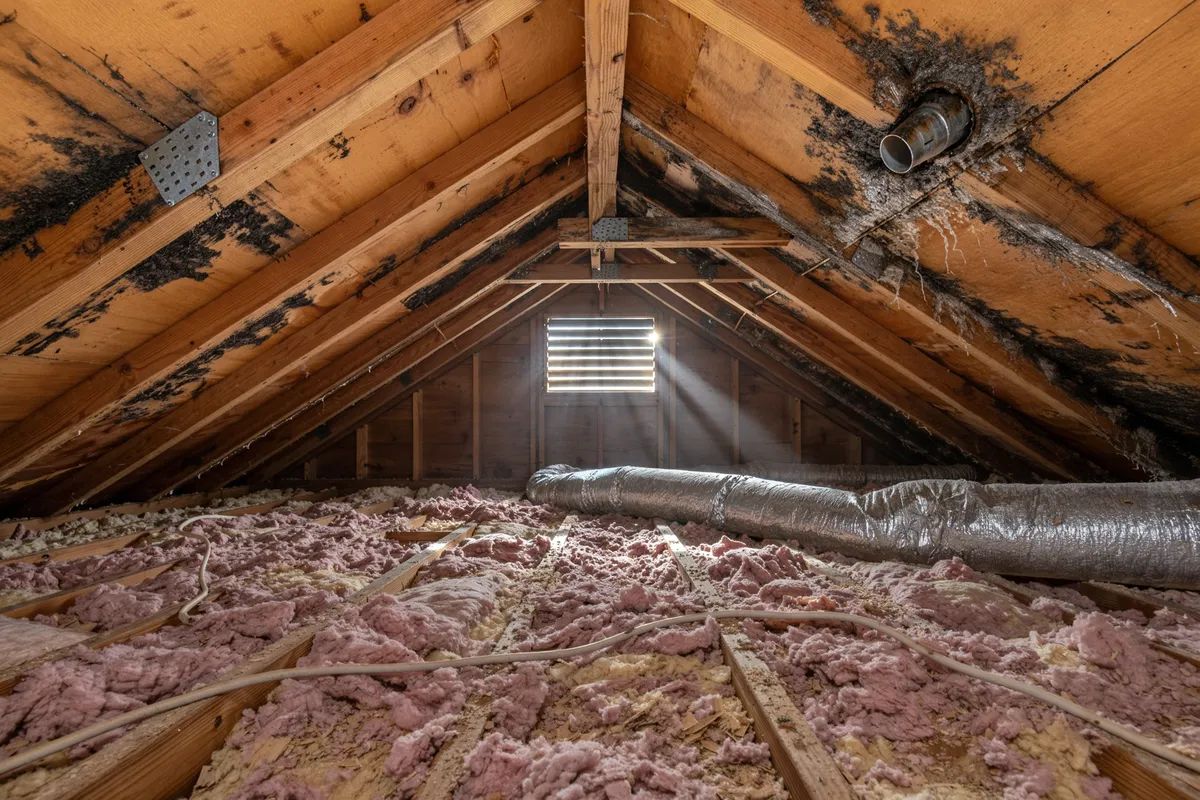
A damp, earthy smell that is stronger on humid mornings or when the AC runs often traces back to a crawl space or an attic. Air moves from these spaces into living areas through gaps, ducts and floor penetrations, so a smell can appear in rooms far from the source.
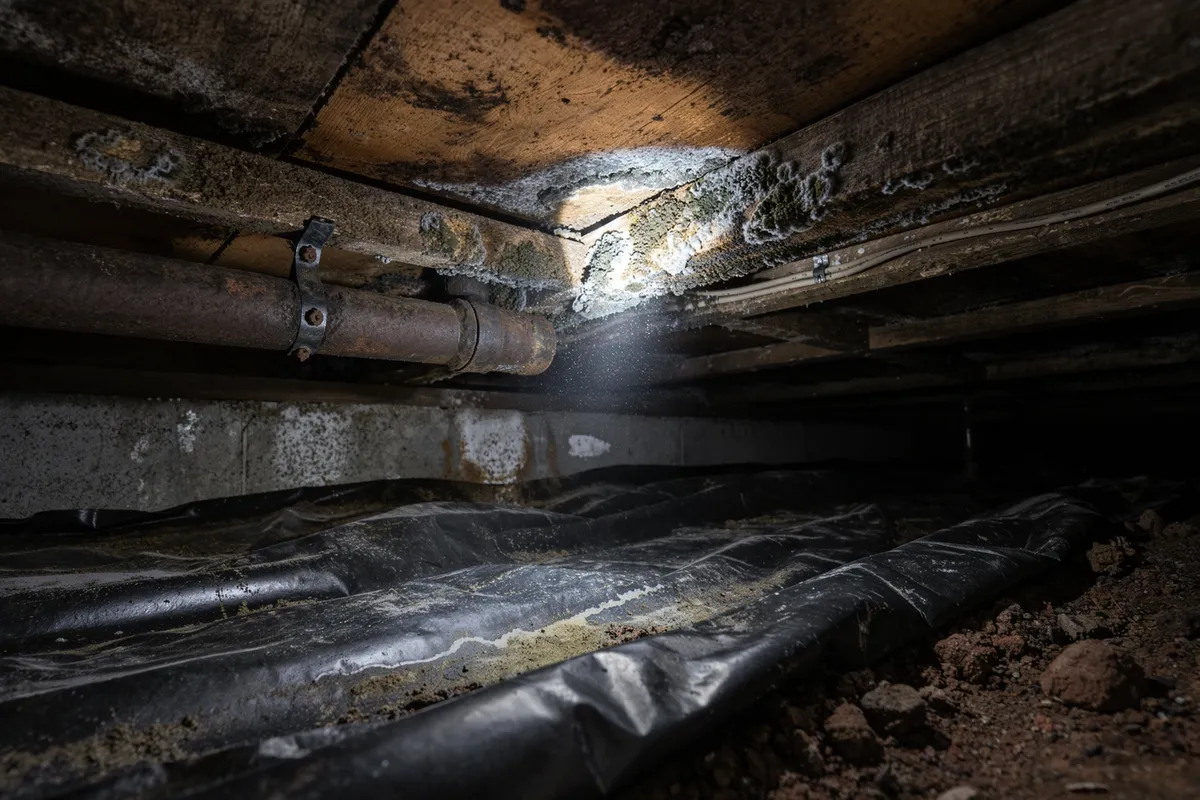
How crawl spaces get damp
Raised wood foundations rely on airflow and dry soil. Bare dirt gives off moisture, vents get blocked by plants or stored items, and downspouts or sprinklers push water toward the house. In coastal areas, damp air adds to it, leaving wood damp for long periods. Those basics are the first things a company looks at.
On hillside and canyon lots around Glendora, runoff after winter storms can move along the foundation and seep under the house, leaving the crawl space wet.
Who handles what in Glendora
A quick CSLB license lookup is worth doing before you sign: California has no mold-specific license, but contract work of $1,000 or more needs a state contractor license.
Rebuild work after the mold comes out, such as new drywall or framing, may need a permit; the local building department is the office for Glendora addresses.
Tenants in much of the county report mold and leaks in rentals to the Los Angeles County Department of Public Health; check with the city whether that covers your Glendora address.
Nearby, the same kind of help is available in Covina, San Dimas and Duarte.
Vapor barrier and insulation
Covering bare soil with a barrier and replacing wet insulation are common add-ons in a crawl space. They raise the figure but also address the reason the mold started. Ask whether the quote includes materials and installation or only the removal. That is a reasonable trade for a drier space.
What to ask when they arrive
- What is the moisture source?
- How much wood and insulation are affected?
- Will you cover soil or seal vents?
- Who fixes the leak?
- Do you hold a CSLB license, and may I check it?
Write down answers to compare companies.
Humidity and EPA guidance
EPA advises keeping indoor humidity below about 60 percent, and ideally between 30 and 50. In the house, that means running bath fans, using the AC and fixing leaks fast. Moisture in crawl spaces and attics is harder to see, so check them after rain. A basic hygrometer lets you track the level.
Crawl Space & Attic Mold Removal questions in Glendora
How do I know if there is mold in my crawl space?
Is the leak repair part of the mold work?
Do I need a permit?
Is it safe to go into a crawl space myself?
More mold services in Glendora
Crawl Space & Attic Mold Removal nearby
Helpful guides
Sources
Last updated: