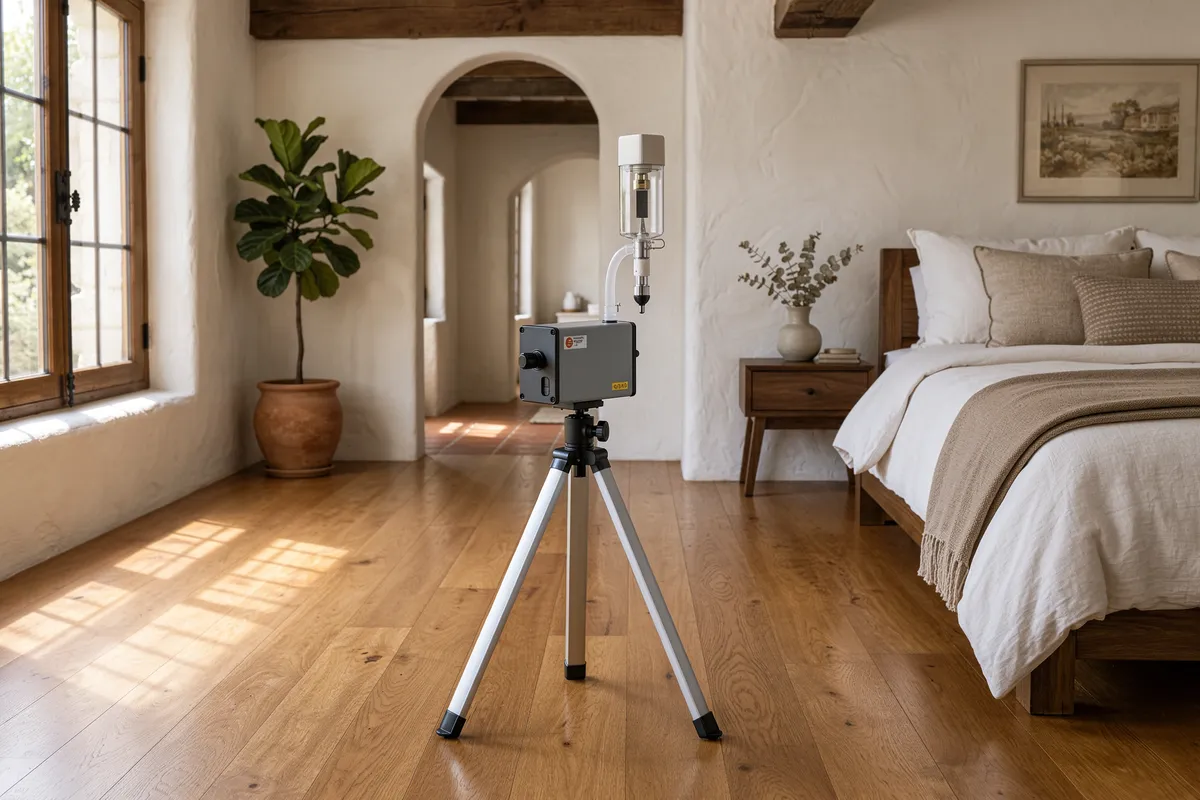
An air sample is compared with a sample taken outside the same day, so results are read against local conditions. Call the number on this page to be connected with a local mold company in Van Nuys.
Testing vs looking
- Inspection: visual survey plus moisture readings
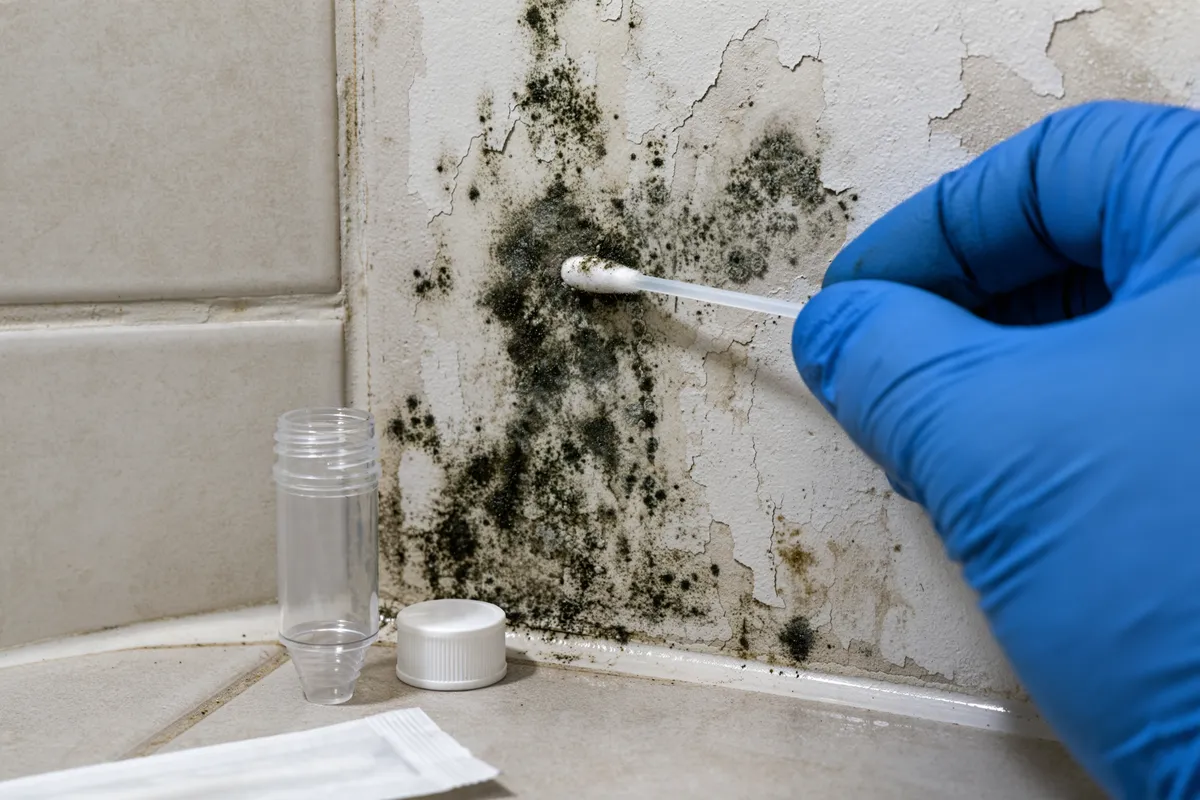
- Surface sample: confirms what a visible spot is
- Air sample: compares indoor to outdoor spores
- Bulk sample: analyzes a piece of material
Each of these has a different purpose, and the right choice depends on the question you are asking.
For sales and purchases
A buyer who notices odd stains or a closed-in smell may ask for sampling during the contingency period. The results help in negotiation, though they are best read alongside a visual inspection of the property and its moisture history. Make sure the sampling plan is described in the contract so both sides know what was done.
Many homes here were built in the 1960s, and wall cavities, crawl spaces and old ductwork can hold dust and spores, so samplers choose locations carefully.
Valley attics heat up and cool down quickly, so samplers may check ducts, insulation and ceilings for condensation-related growth.
Choosing a lab
Ask which laboratory analyzes the samples and what accreditation or methods it uses. Reputable labs provide chain-of-custody forms and a clear report format. Avoid arrangements where you cannot learn who processed the sample. Ask for the lab report itself, not only a summary typed by the sampler.
Ask for a written proposal
A proposal should list the sampling plan, number of locations, lab, delivery time of results and what the report will include. If a company cannot put that in writing, consider another one. A clear written plan also helps if someone else later reviews the work.
Moisture is still the main thing
EPA advises fixing the water problem and drying wet materials within 24 to 48 hours. Keeping humidity below about 60 percent, ideally 30 to 50, matters more than any single lab number. No sample can replace that. Use any report as a guide to where to look and what to dry, not as a grade for the house.
Permits, rentals and contractor checks in Van Nuys
California has no separate state license for mold assessors or mold remediators, so the useful check is the contractor license: the Contractors State License Board (CSLB) requires one for jobs of $1,000 or more in labor and materials, and its online lookup shows the status.
Rebuild work after the mold comes out, such as new drywall or framing, may need a permit; the Los Angeles Department of Building and Safety is the office for Van Nuys addresses.
If a landlord won't deal with a leak or mold, the Los Angeles Housing Department takes housing complaints for addresses in Van Nuys.
Calls from Van Nuys are often matched with companies that also cover Panorama City, North Hills and Sherman Oaks.
More about Van Nuys
Calls come in from across Van Nuys, including around Van Nuys Boulevard, Van Nuys Airport, Valley Municipal Building.
About 67% of housing units were built before 1980.
Mold Testing questions in Van Nuys
What types of samples exist?
Can a home kit do it?
Who handles mold in a Van Nuys rental?
How do I prepare?
More mold services in Van Nuys
Mold Testing nearby
Helpful guides
Sources
- Los Angeles Department of Building and Safety
- Los Angeles Housing Department: housing complaints
- CSLB: What kind of contractor do you need?
- California Health and Safety Code 17920.3
- EPA: A Brief Guide to Mold, Moisture and Your Home
- California Department of Public Health: Mold
- Van Nuys housing by year built
Last updated: