An inspection looks at the building, while testing collects samples, and CDPH does not generally recommend sampling for mold. Call the number on this page to be connected with a local mold company in Wilmington.
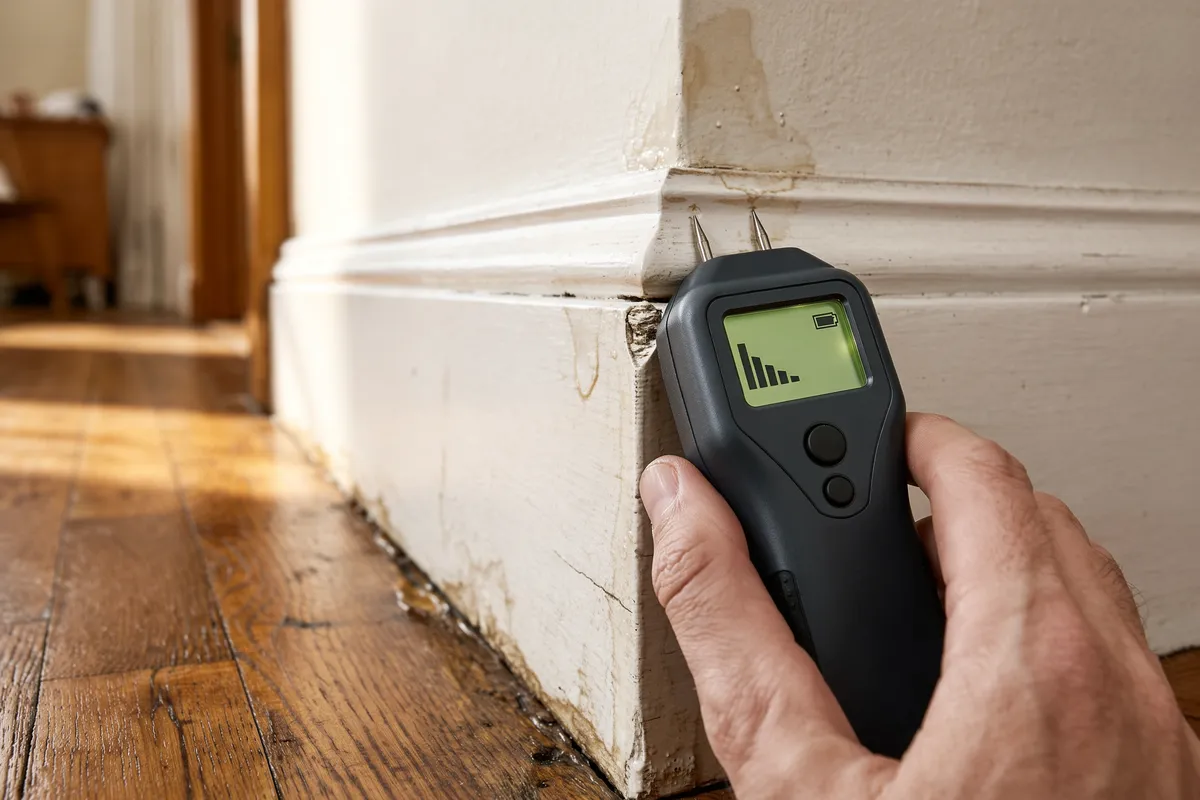
You smell it but cannot see it
A damp odor in a closet, hallway or under a sink often points to moisture trapped behind a surface. An inspector uses meters and a thermal camera to find the wet area without opening everything. That can save a lot of unnecessary demolition. Smell alone cannot say how much material is affected, which is why readings matter.
Attics, crawl spaces and mechanical rooms
Hidden spaces usually hold the clues. The inspector looks at roof decking, insulation, ducts, air handlers, water heaters and raised-foundation framing. These are the places where condensation, slow drips and poor ventilation tend to build up unnoticed. Notes on air flow and humidity in each space are usually included.
Ocean-side homes see cool, moist air most mornings, so an inspection often checks closets, bathrooms and window frames where condensation lingers.
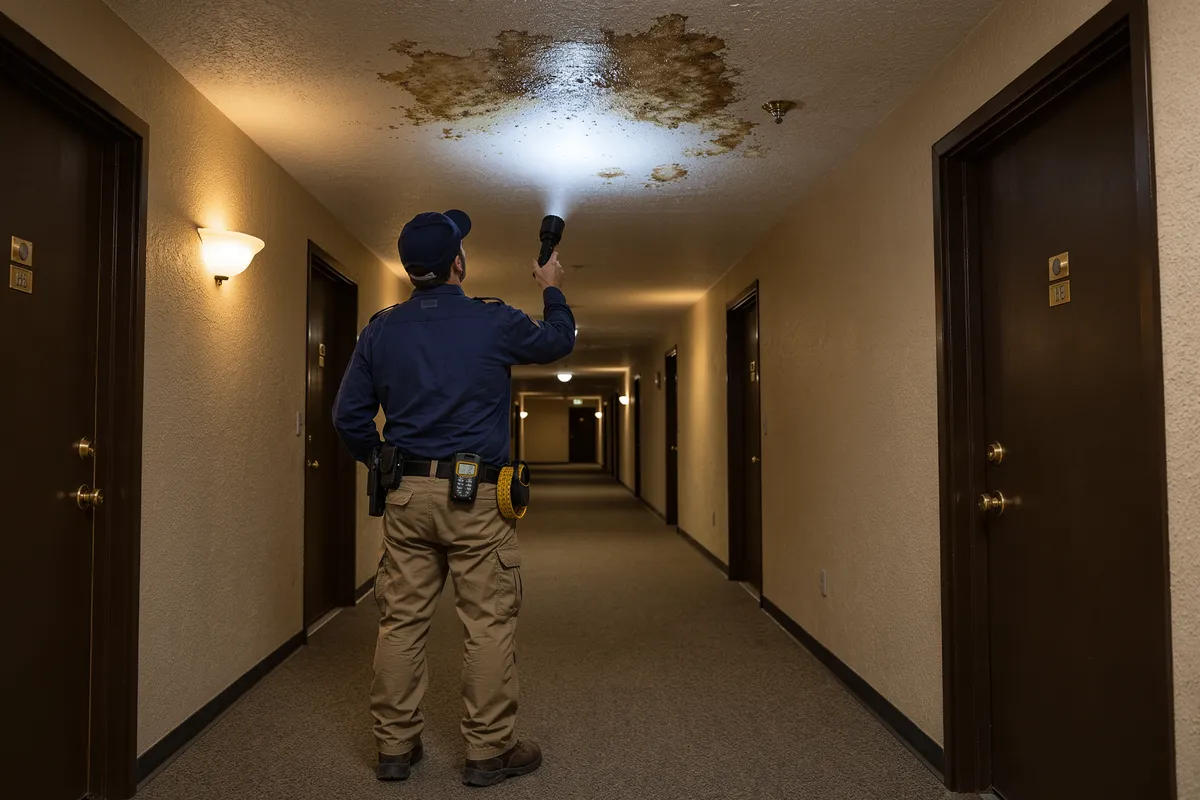
Verifying the company
California issues no mold-specific license. Ask what training the inspector has, request references, and if the business also does repairs on larger jobs, look up its CSLB license on the state website before you agree to anything. Honest answers to these questions are a good sign.
If the news is bad
A finding of widespread moisture does not mean the house is a total loss. Most problems are limited to specific walls, ceilings or subfloor areas. The report should show where the work is and in what order it should happen. Ask the inspector to walk you through the order of work so nothing gets skipped.
Maintenance that pays off
- Clear gutters and downspouts
- Keep sprinklers off stucco
- Flush water heater leaks quickly
- Clean AC drain lines each season
- Seal gaps around windows
Doing these things in spring and fall covers both the rainy and the hot months. A short checklist taped inside a cabinet door is an easy way to remember each one.
Who handles what in Wilmington
There is no California mold license to look up. What you can check is the company's CSLB contractor license, which state rules require once a job reaches $1,000 in combined labor and materials.
If the job grows into replacing drywall, cabinets or framing, ask whether the rebuild needs a permit from the Los Angeles Department of Building and Safety.
For tenants, the Los Angeles Housing Department is the office that takes complaints about substandard rental conditions here; state law counts visible mold growth as one of them.
Calls from Wilmington are often matched with companies that also cover San Pedro, Harbor City and Lomita.
Mold Inspection questions in Wilmington
Inspection versus mold testing?
Do I need one if I can see mold?
Is there a state license for mold inspectors?
Should inspector and remediator differ?
More mold services in Wilmington
Mold Inspection nearby
Helpful guides
Sources
Last updated: