Mold that looks black is not automatically the species people read about online; only a lab can name one, and cleanup is the same. Call the number on this page to be connected with a local mold company in San Marino.
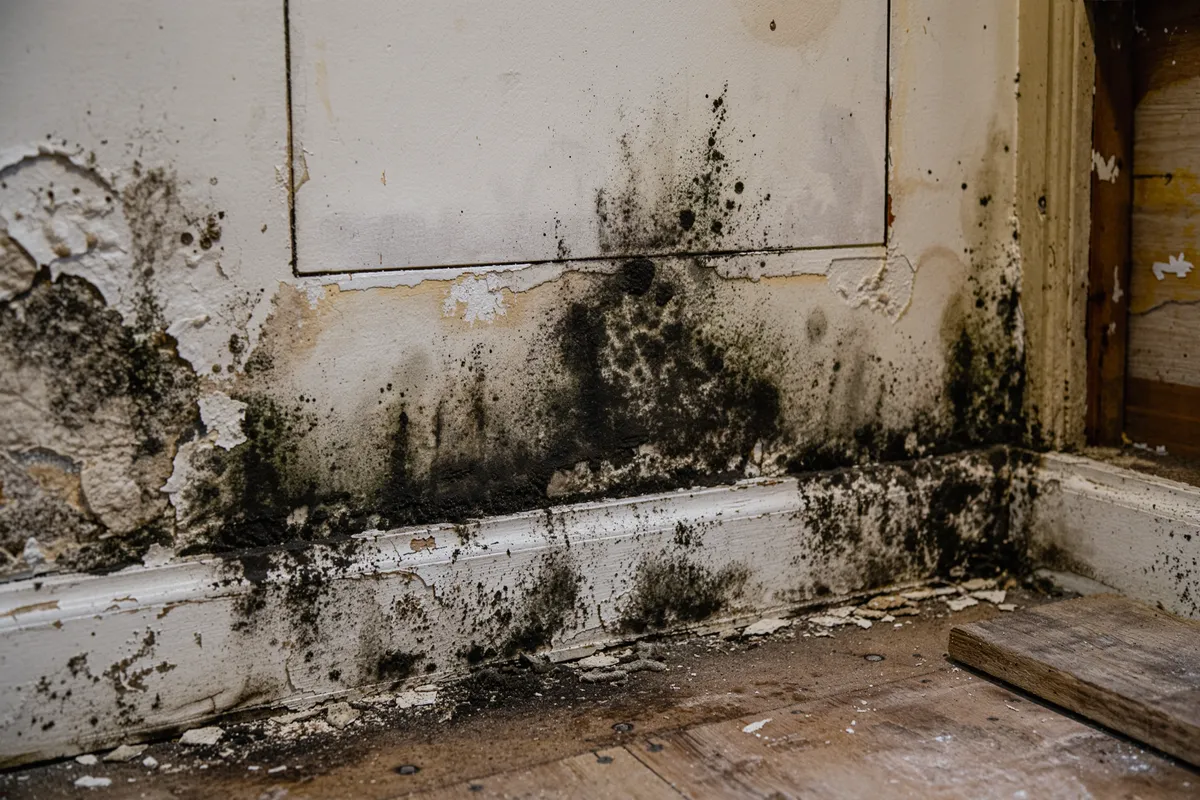
Dark Spots That Might Be Mold
Black speckling on a ceiling corner, a grimy line along a baseboard, or a stain that returns after you wipe it can all be mold. Smell helps too: a damp, earthy odor in one room often marks the spot. Soot, dust and soap scum look similar, so a closer look matters. A flashlight held low against the wall shows texture changes the eye misses.
Hidden Plumbing Leaks
A slow leak behind a shower valve, under a kitchen sink or inside a wall can feed dark mold for months before anyone sees it. Water bills that creep up, warped baseboards and a faint odor are the clues. Companies often pair removal with a moisture check of the wall. Insulation soaked this way can hold water for weeks.
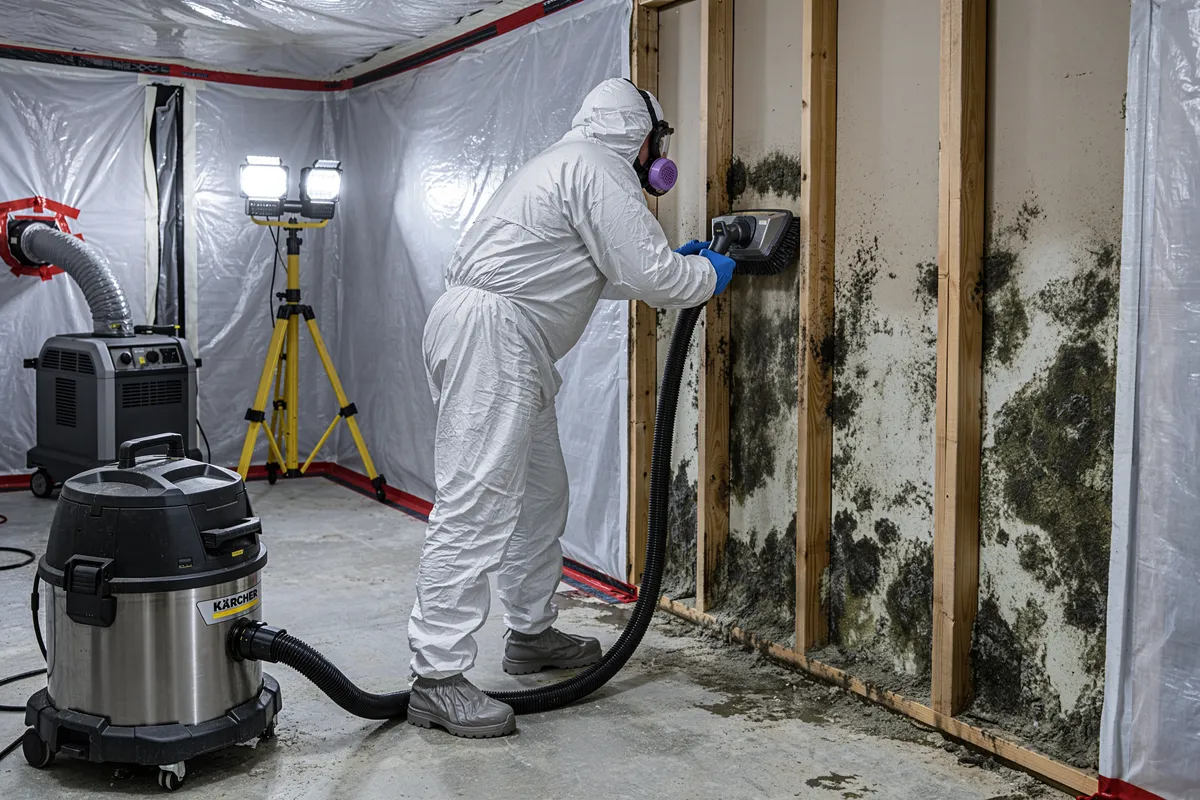
Access Counts
A dark patch on an open bedroom wall is simpler than one in a tight attic, a crawl space or behind a built-in cabinet. Hard access means more protection for the rest of the house and more labor, which is why a short visit to see the area beats a guess over the phone. Phone quotes without a visit tend to be placeholders.
Checking the Work Afterward
Once the removal and drying are done, look for a clean, dry opening with no musty smell and no visible growth. Some homeowners ask for clearance testing to confirm it, especially after larger jobs. Note that moisture readings matter more than a color check. Passing moisture readings is the best indicator a job went well.
Keep Humidity in Range
EPA suggests holding indoor humidity below about 60 percent, and ideally between 30 and 50 percent. A basic hygrometer from a hardware store tells you where a room stands. If a bathroom or bedroom keeps reading high, fix ventilation before dark patches come back. A decent meter costs little compared with a drywall replacement.
Before work starts in San Marino
Ask any remediation company for its Contractors State License Board number. California has no separate mold license, so the CSLB record is where you confirm a contractor's license for work of $1,000 or more.
The local building department handles building permits here, so that's the place to check before walls, cabinets or flooring go back in.
Tenants in much of the county report mold and leaks in rentals to the Los Angeles County Department of Public Health; check with the city whether that covers your San Marino address.
Nearby, the same kind of help is available in Pasadena, South Pasadena and San Gabriel.
Black Mold Removal questions in San Marino
Is black mold more dangerous than other mold?
What if I rent and found black mold?
Do older homes get dark mold more often?
Does rebuilding after removal need a permit?
More mold services in San Marino
Black Mold Removal nearby
Helpful guides
Sources
Last updated: