Most visits take an hour or more. Expect questions about leaks, repairs and when you first noticed the problem. Call the number on this page to be connected with a local mold company in San Fernando.
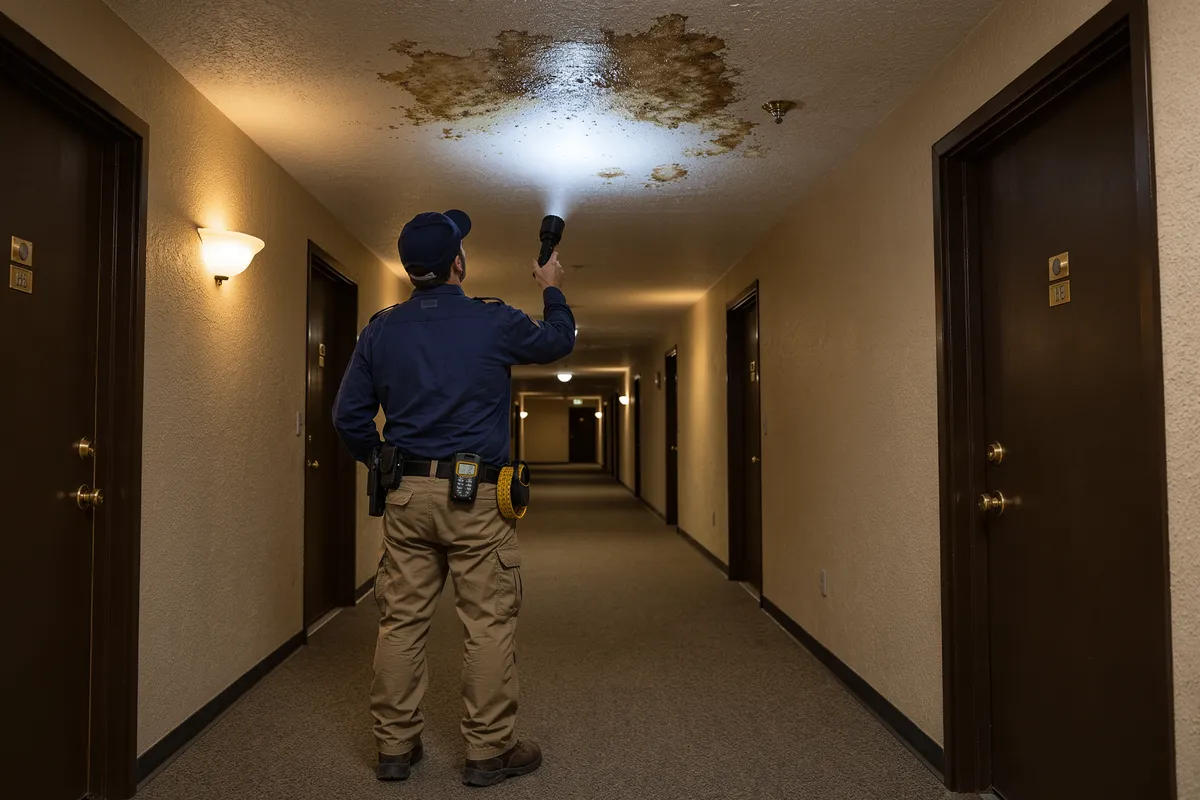
You smell it but cannot see it
A damp odor in a closet, hallway or under a sink often points to moisture trapped behind a surface. An inspector uses meters and a thermal camera to find the wet area without opening everything. That can save a lot of unnecessary demolition. Smell alone cannot say how much material is affected, which is why readings matter.
Attics, crawl spaces and mechanical rooms
Hidden spaces usually hold the clues. The inspector looks at roof decking, insulation, ducts, air handlers, water heaters and raised-foundation framing. These are the places where condensation, slow drips and poor ventilation tend to build up unnoticed. Notes on air flow and humidity in each space are usually included.
Hot valley summers keep air conditioners busy, so inspectors check attic ducts, air handlers and drain lines for sweating or leaks that wet insulation and ceilings.
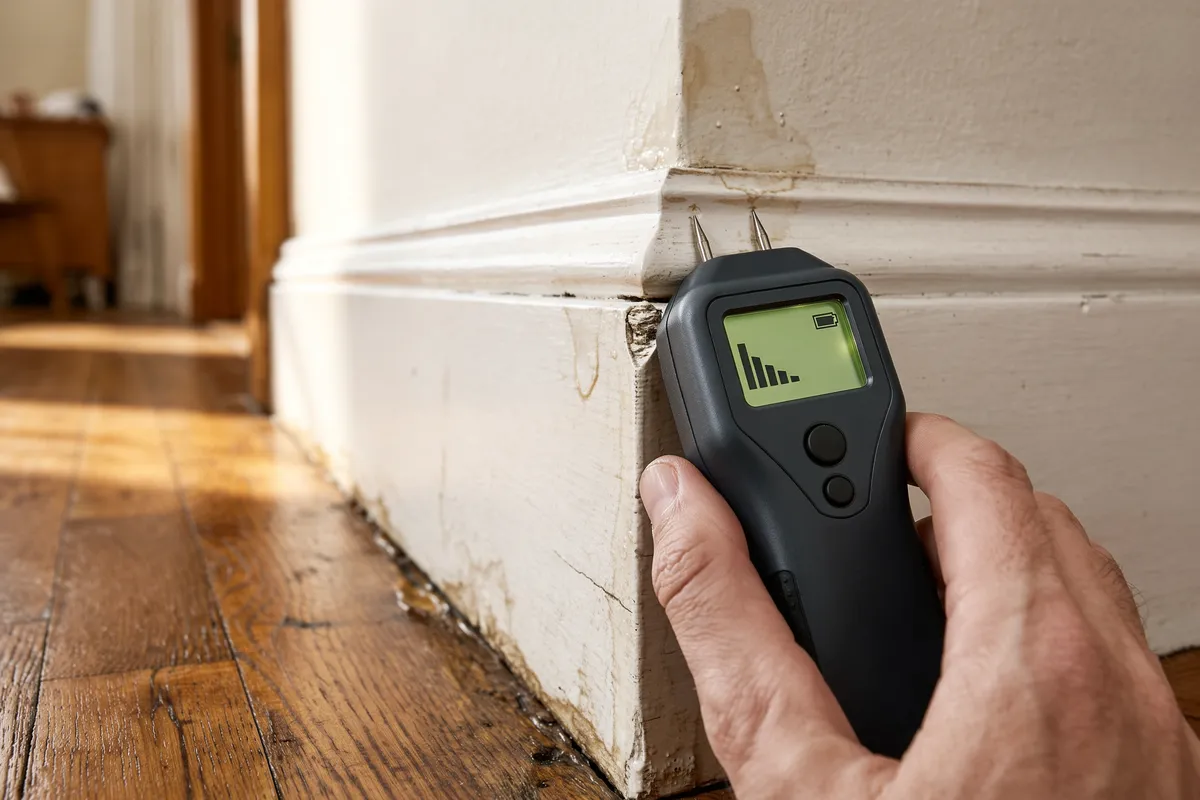
Sampling is an add-on, not the default
The California Department of Public Health does not recommend routine mold testing, and there are no recommended levels to compare results against. If a company adds lab work to the quote, ask what question it will answer and who will use the result. Many owners find they get what they need from the inspection alone.
Taking the report to a remediation company
A written scope lets several contractors bid on the same job. If their quotes differ widely, compare line by line. If a bidder wants to remove far more than the report supports, ask them to explain why. The report is your reference point if the scope changes midway through the job.
Do not disturb suspect areas
Scrubbing, sanding or opening a wall yourself can spread dust through the house and destroy evidence. Leave the area as it is, keep doors closed and wait for the inspector unless the water source needs emergency attention. The inspector will explain which materials should be left untouched.
Who handles what in San Fernando
Mold work in California falls under general contractor rules rather than a dedicated mold credential. Once labor and materials reach $1,000, the company needs a CSLB license, and the board's website shows whether it is current.
If the job grows into replacing drywall, cabinets or framing, ask whether the rebuild needs a permit from the local building department.
Tenants in much of the county report mold and leaks in rentals to the Los Angeles County Department of Public Health; check with the city whether that covers your San Fernando address.
Calls from San Fernando are often matched with companies that also cover Pacoima, Mission Hills and Granada Hills.
Mold Inspection questions in San Fernando
How long does an inspection take?
What does an inspector look for?
Should inspector and remediator differ?
Who handles mold in a San Fernando rental?
More mold services in San Fernando
Mold Inspection nearby
Helpful guides
Sources
Last updated: