An inspection looks at the building, while testing collects samples, and CDPH does not generally recommend sampling for mold. Call the number on this page to be connected with a local mold company in Norwalk.
You smell it but cannot see it
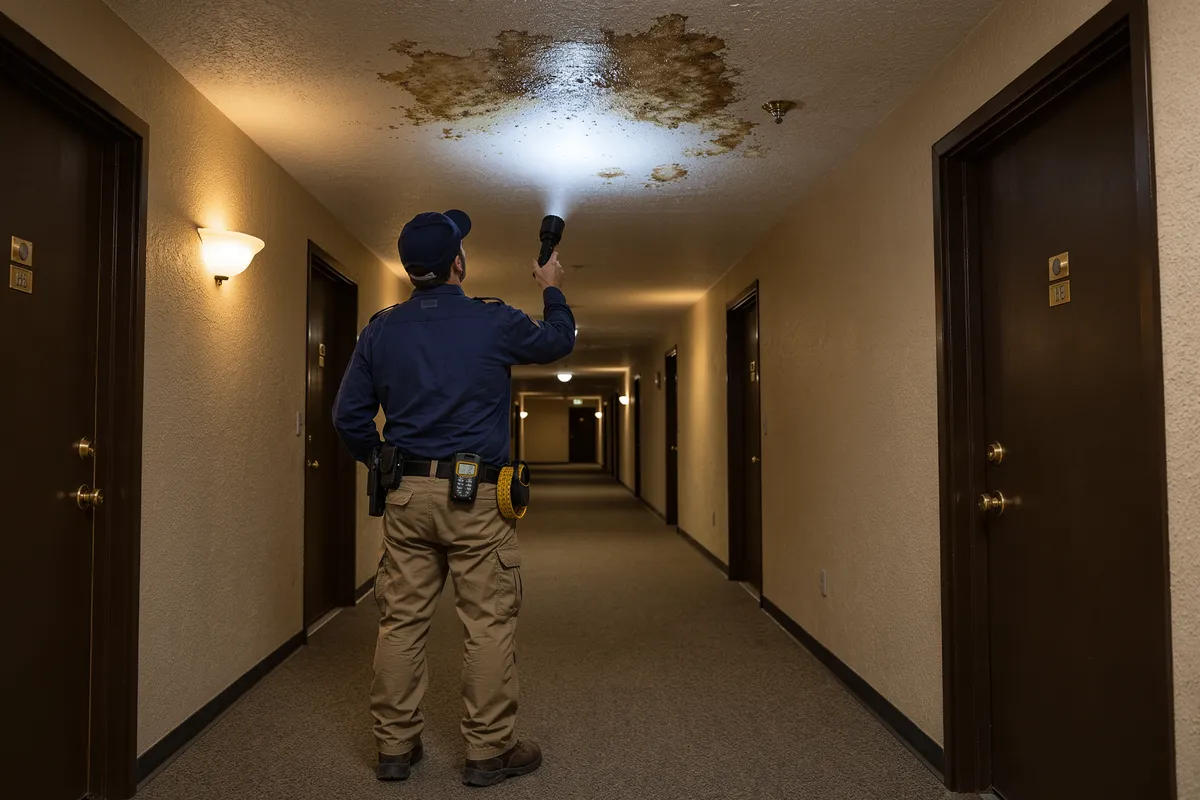
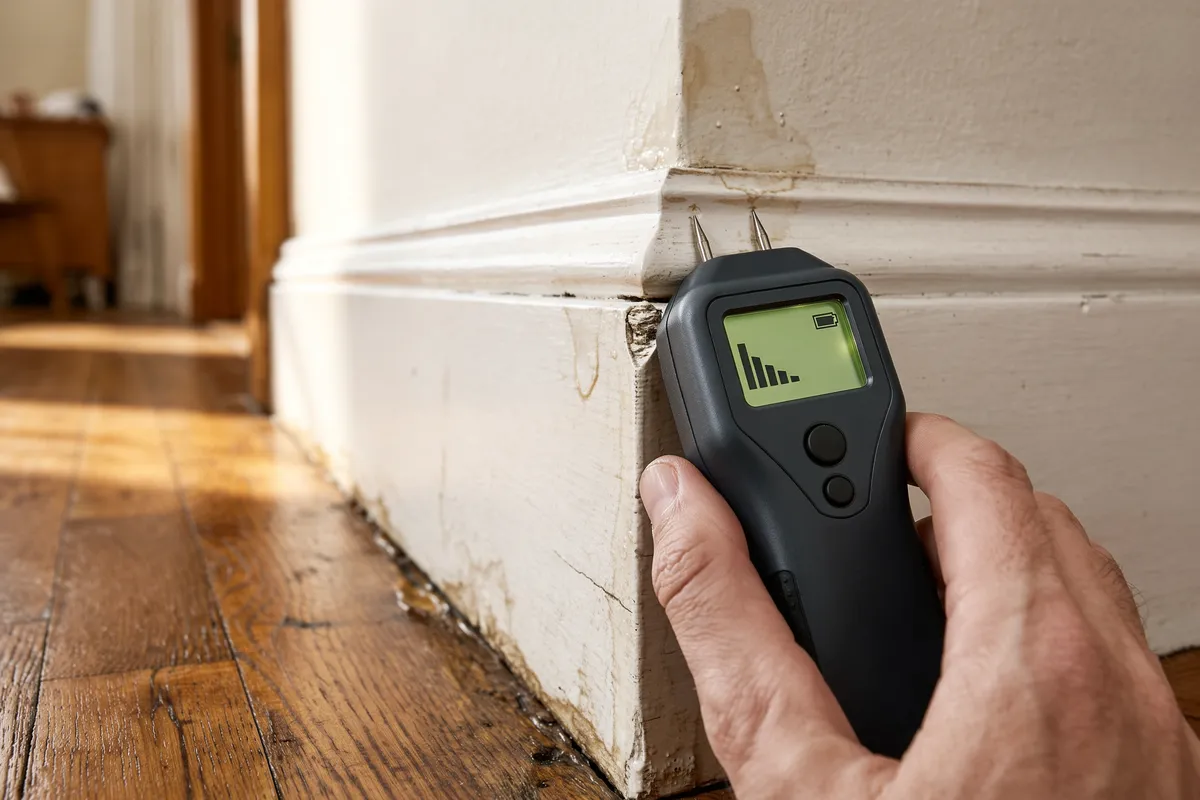
A damp odor in a closet, hallway or under a sink often points to moisture trapped behind a surface. An inspector uses meters and a thermal camera to find the wet area without opening everything. That can save a lot of unnecessary demolition. Smell alone cannot say how much material is affected, which is why readings matter.
What happens during the visit
- You describe the history of leaks and repairs
- The inspector walks the exterior and interior
- Readings are taken with meters and cameras
- Suspect areas are photographed
- Findings are summarized in a report
The whole process is mostly observation and measurement, with very little disruption to the household.
Because homes in Norwalk were commonly built in the 1950s, thin walls and older plumbing can hide slow leaks, and thermal imaging helps find them without opening large sections.
Local details for Norwalk
Because California doesn't certify mold remediators as such, ask for the company's Contractors State License Board number and look it up on the CSLB site before anyone opens a wall.
If the job grows into replacing drywall, cabinets or framing, ask whether the rebuild needs a permit from the City of Norwalk Building and Safety Division.
Renting? The Los Angeles County Department of Public Health takes housing complaints, including mold, in cities that have adopted the County Health Code; the city can confirm who handles Norwalk addresses.
Calls from Norwalk are often matched with companies that also cover Santa Fe Springs, Artesia and Cerritos.
What affects inspection pricing
Home size, the number of suspect areas, how hard it is to reach the attic or crawl space, and whether thermal imaging is used all play a part. A one-bath condo and a large two-story house will not be priced the same.
What a useful report contains
- Photos of each area with notes
- Moisture readings and where they were taken
- The likely water source
- Recommended repairs and removal scope
- Areas that could not be reached
Without these items, a report is hard to act on.
Do not disturb suspect areas
Scrubbing, sanding or opening a wall yourself can spread dust through the house and destroy evidence. Leave the area as it is, keep doors closed and wait for the inspector unless the water source needs emergency attention. The inspector will explain which materials should be left untouched.
Norwalk at a glance
Calls come in from across Norwalk, including around Cerritos College, Norwalk Park, Imperial Highway.
Roughly 47% of housing was built in the 1950s and about 31.7% of occupied units are renter-occupied.
Mold Inspection questions in Norwalk
Will walls be cut open?
Can it tell me if my home is safe?
Who handles mold in a Norwalk rental?
Does humidity matter?
More mold services in Norwalk
Mold Inspection nearby
Helpful guides
Sources
- City of Norwalk Building and Safety Division
- Los Angeles County Department of Public Health Environmental Health: housing complaints
- CSLB: What kind of contractor do you need?
- California Health and Safety Code 17920.3
- EPA: A Brief Guide to Mold, Moisture and Your Home
- California Department of Public Health: Mold
- Norwalk housing by year built
Last updated: