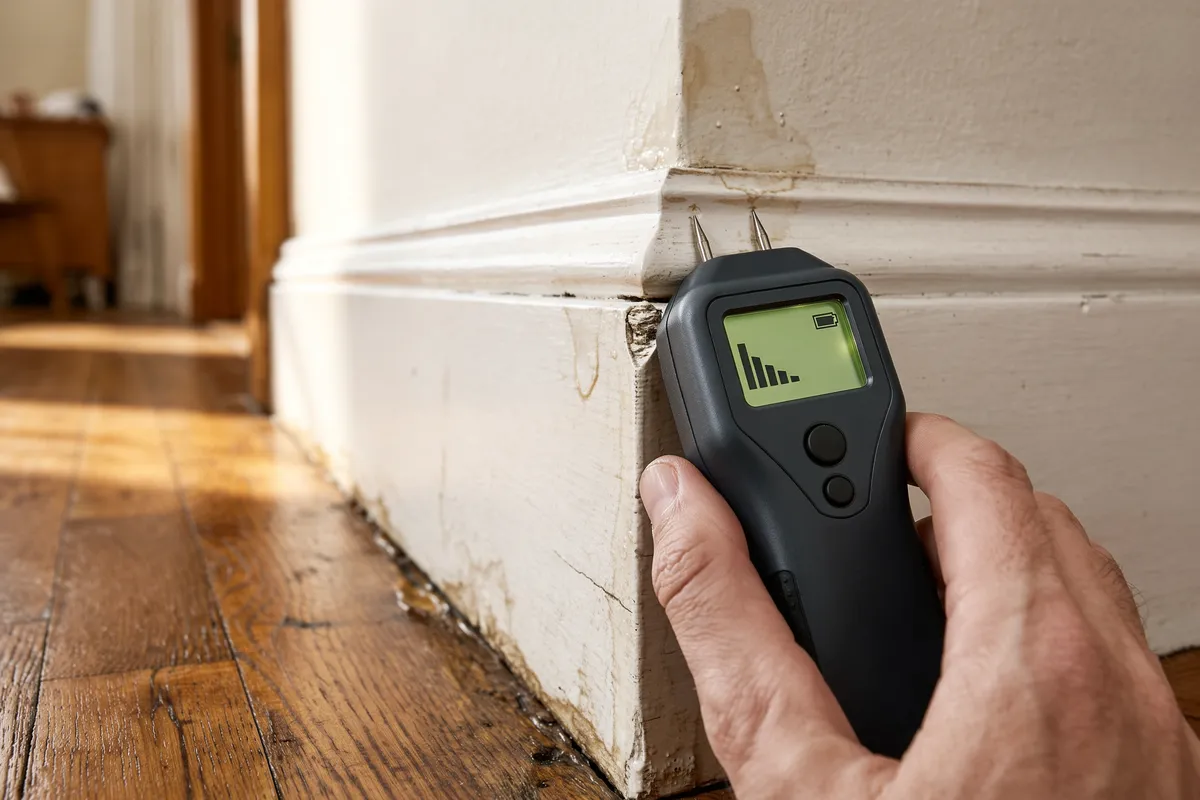
Inspectors use a moisture meter, thermal camera and sometimes a borescope to see inside walls, then write up the findings. Call the number on this page to be connected with a local mold company in Malibu.
You smell it but cannot see it
A damp odor in a closet, hallway or under a sink often points to moisture trapped behind a surface. An inspector uses meters and a thermal camera to find the wet area without opening everything. That can save a lot of unnecessary demolition. Smell alone cannot say how much material is affected, which is why readings matter.
What you should have ready
Gather plumbing repair receipts, photos of past stains, any earlier inspection or insurance reports, and notes on when the smell is strongest. Clear access to closets, the attic hatch and the crawl space door lets the visit go faster.
Close to the beach, the marine layer and foggy mornings add damp air to indoor humidity, and inspectors measure window condensation and ventilation as well as leaks.
On hillside and canyon lots, inspectors check drainage, retaining walls and grading, because runoff after winter storms can push water against foundations and lower walls.
Inspection first usually saves money
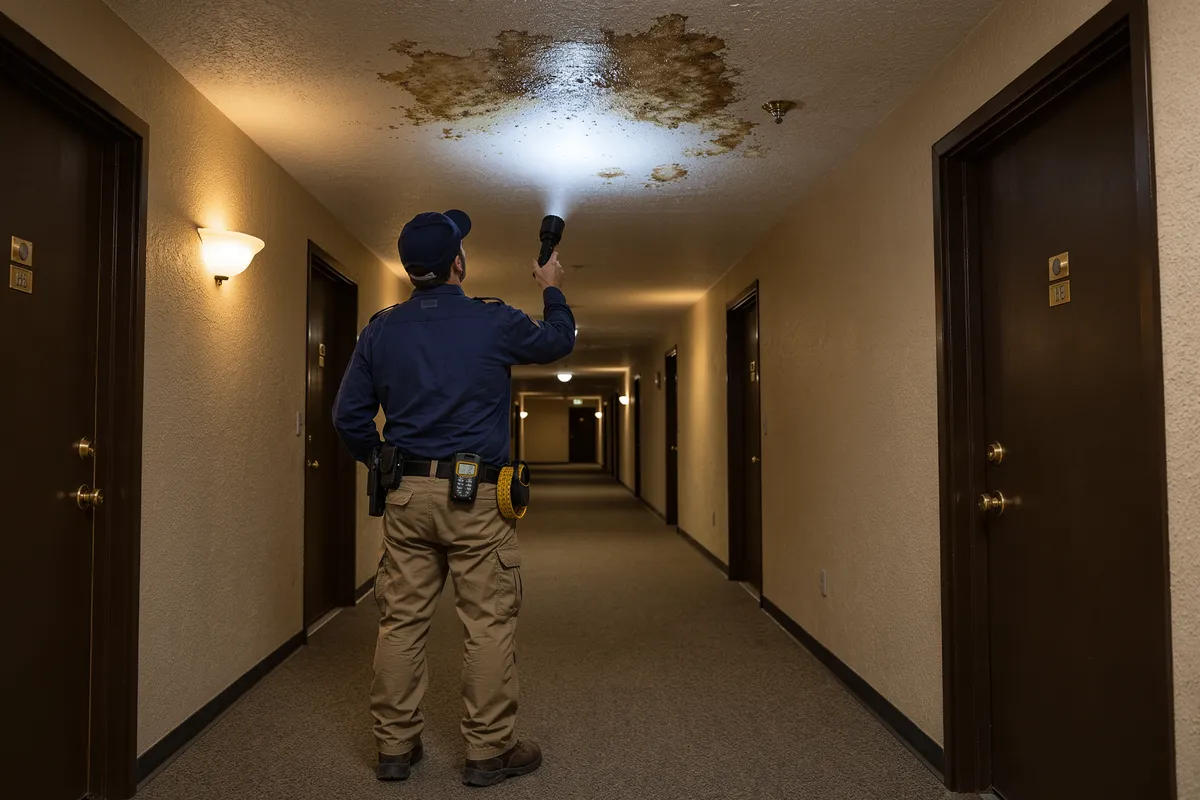
Knowing the source before hiring a crew stops you from paying to remove material that was never affected, or paying twice because the leak was never repaired. The report becomes a scope you can use to compare removal quotes. The cost of deeper imaging is often less than the cost of opening the wrong wall.
Reading the recommendations
Good reports separate urgent items from watch-and-wait ones. Look for a plain list of what to fix, what to remove and what to monitor, rather than long general paragraphs that do not tell you what to do next. If the report mixes the two together, ask the company to separate them.
Cut off the moisture source quickly
If water is still coming in, stop it first. Shut off a leaking supply line, tarp a damaged roof area or divert runoff from the wall. An inspection works best when the cause is no longer adding new moisture. Document what you did and when, since it may matter for a claim or a landlord.
Local details for Malibu
California has no separate state license for mold assessors or mold remediators, so the useful check is the contractor license: the Contractors State License Board (CSLB) requires one for jobs of $1,000 or more in labor and materials, and its online lookup shows the status.
If the job grows into replacing drywall, cabinets or framing, ask whether the rebuild needs a permit from the local building department.
Renting? The Los Angeles County Department of Public Health takes housing complaints, including mold, in cities that have adopted the County Health Code; the city can confirm who handles Malibu addresses.
Companies that take calls here usually also work in Canoga Park, Agoura Hills and Calabasas.
Mold Inspection questions in Malibu
How long does an inspection take?
Who handles mold in a Malibu rental?
How soon after a leak should I call?
Is fog a factor indoors?
More mold services in Malibu
Mold Inspection nearby
Helpful guides
Sources
Last updated: